
I still can’t believe I actually got to visit Southeast Asia—it’s been my dream for a long time. I’m even more astonished at how different I feel now that I’m home. In some ways,  it’s been difficult. It’s not easy to return to your normal routine after almost a month of exploring and learning and moving! I keep myself busy, but few experiences are new. This is partially a complaint, but mostly, I’m grateful that this trip sparked such a craving for new experiences. I used to hide behind the safety of the known, but now I feel brave and capable enough to let myself live.
 Traveling, especially somewhere so far and different from home, means pushing boundaries and trying new things. I’ve done so many strange and wonderful things that I couldn’t—and wouldn’t—have done in the US, and with relative success. As a result, my self-efficacy skyrocketed, which greatly impacts my life at home. I now understand that I can handle most tasks and situations—and more importantly, if I do make a mistake, it probably won’t end my reputation, career, or life. I feel pretty confident that if I want to do something, I can do it. It’s the stuff of motivational kid’s shows, but it took a pretty big adventure for the idea to resonate with me.
 I find myself saying ‘yes’ to more things, approaching i
 ntimidating situations with a sunny outlook, and making fewer to-do lists with time restrictions. These are all gifts from a culture across the world, and I am so grateful.
The lessons I learned can’t be tested, only felt. In the eyes of many, this makes them less relevant, but I disagree. We go to school with a guarantee of learning hard, tangible skills, but are often left on our own to develop soft skills and a sense of personal and cultural awareness—that’s what makes experiences like this one so important.
“Travel is fatal to prejudice, bigotry, and narrow-mindedness, and many of our people need it sorely on these accounts. Broad, wholesome, charitable views of men and things cannot be acquired by vegetating in one little corner of the earth all one’s lifetime.”
-Mark Twain, The Innocents Abroad
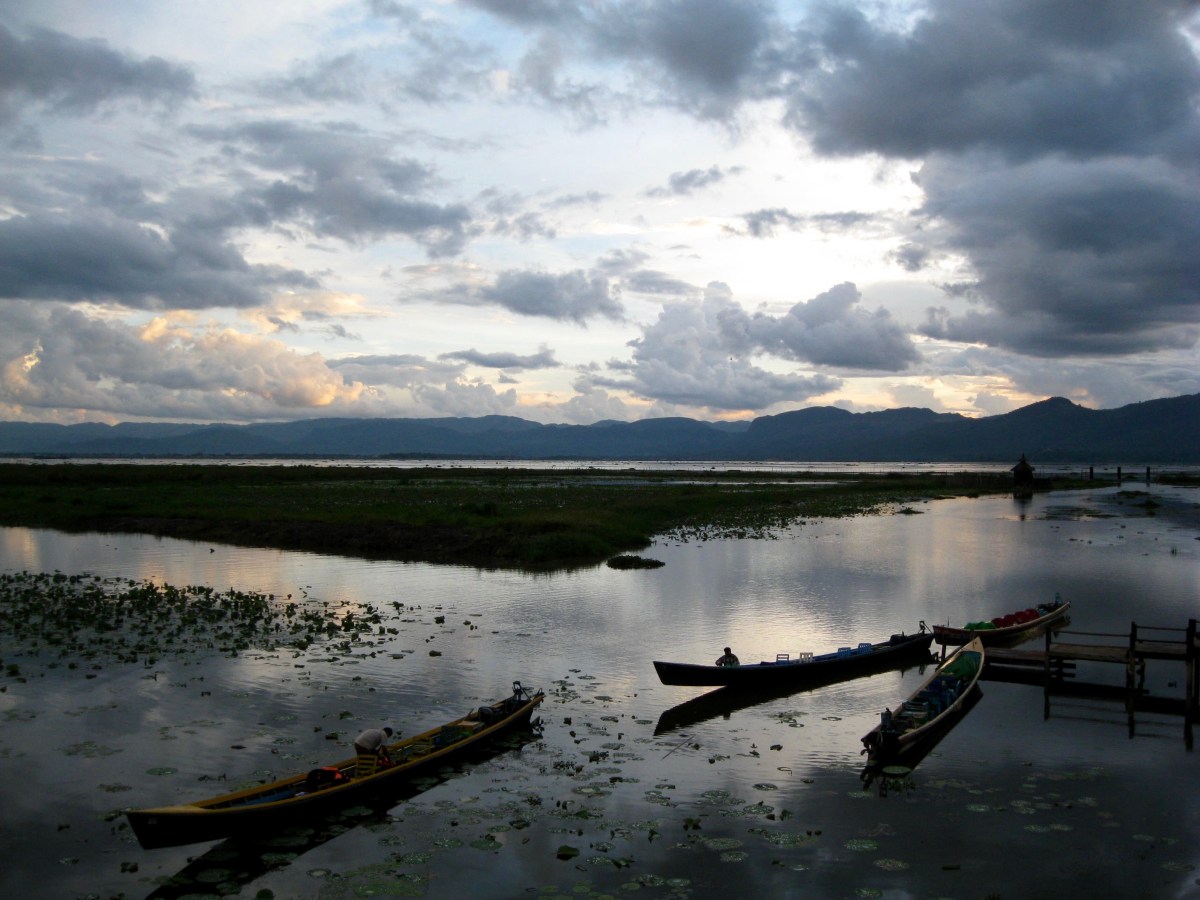

 Where the river was narrow, the water was brown and murky. Shops and homes lined the riverbank, and people bathed, collected fishnets, and played in the water. As the river widened into a lake, the water became blue and reflective, spotted with waterlilies and floating birds. Longboat fishermen delicately balanced on the tips of their boats, working calmly.
 We saw a silk-weaving shop, where they showed us each step of the process and told us how certain designs, textures and shapes are created. Lotus silk is the most valuable fabric, because it is made from the strands inside the stem of a lotus flower. The strands are rolled into a thread, which is then dyed and woven. One scarf takes over 1,200 flowers to create. This form of weaving is unique to Inle Lake, and I was honored to be able to watch the process.
  We also got to see the creation of handmade, pure silver jewelry. They showed us how the metal is melted down, then rolled into logs which are shaved down to wire strands. A man was working meticulously on a silver chain. He hand linked and soldered each tiny link together. I was incredibly impressed, and actually ended up buying some earrings from the store—they’re my favorite purchase from Southeast Asia. The woman who sold them to me was so caring and maternal—she helped me put the earrings on and everything—which gives them even more value.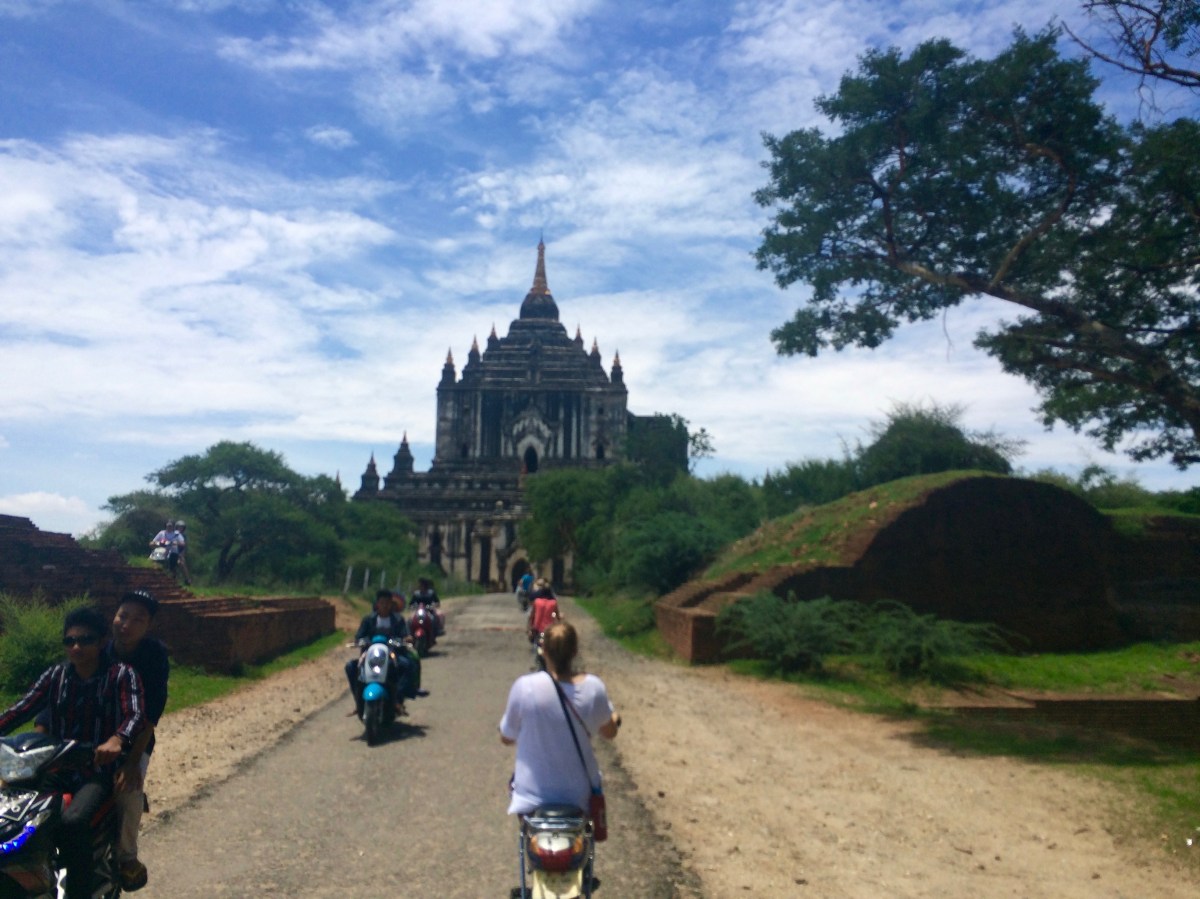
 This is a more traditional mode of transportation, although motorbikes are becoming rapidly more popular. We visited quite a few pagodas and temples, but the most memorable one was probably the first. We climbed, bent over, up a tiny staircase to the top level of the pagoda. The view was so breathtaking, we sat silently in reverie for what felt like an hour. There were stupas dotting the earth all the way out to the horizon, and surely beyond. Photos couldn’t quite capture the sight, but I did try. I wanted to remember the view, and the feeling it gave me.
 We also stopped in to a lovely family-owned lacquer shop, ‘The Golden Cuckoo’, where the owner took us through each step in the process of making a lacquer product. It is an extremely detailed, lengthy process. First, bamboo strips are coiled or woven into the desired shape. Then, layers of lacquer are applied and then sanded. The men in the shop then design the patterns, and the women fill in the more intricate details. Colors are carved and applied one at a time until the piece is finished. Each step takes about 2 weeks to dry completely, which means that some pieces can take eight months, or more! The result is an extremely durable, lightweight work of art.
 Our second day in Bagan was much less structured and guided, because we rented e-bikes for the day. This way, we could freely explore the city and stop whenever we saw something interesting—which was quite often. I happen to have a strong aversion to two-wheeled vehicles of any kind, so I compromised with myself by hopping onto the back of a friend’s bike. It was exhilarating to face my fear, and doing so meant I got to see a whole lot more of Old Bagan than I would have on foot. In fact, it ended up being one of my favorite days on the trip! We got to fully surrender to the laid back, unplanned lifestyle of Southeast Asia, and it meant we got to ‘discover’ each temple and stupa with a fresh mind.
 It was a good thing the beginning of our day got us adjusted to that laid back attitude, because the second half of the day was full of bike breakdowns as we each ran out of battery on separate occasions. Serendipitously, each breakdown left us in a spot so beautiful, we didn’t mind waiting for the bike owners to come rescue us. It added even more sights to our long list for the day, but not a single item on the list felt like an obligation. Everything fell into place and each moment was blissful. It’s pretty special when a bike breakdown (or five) feels peaceful.
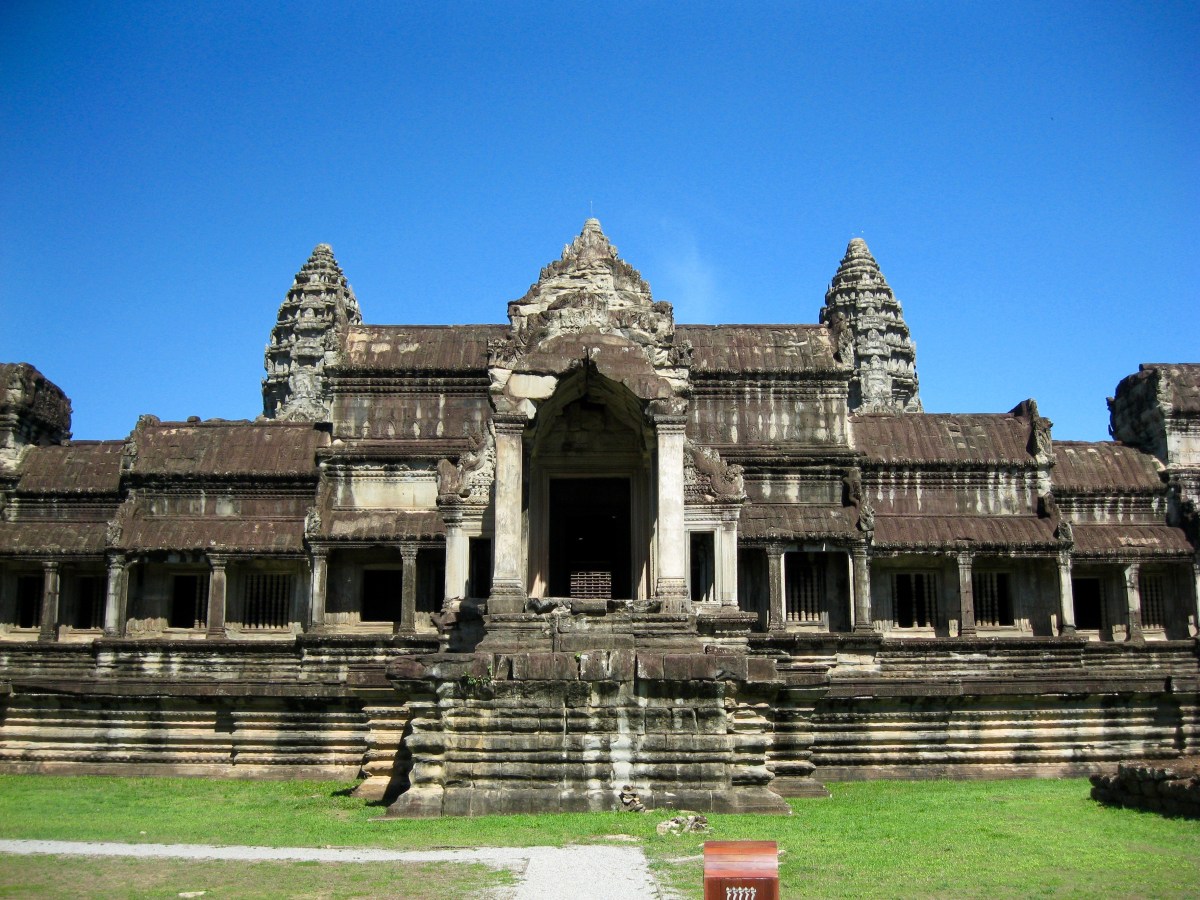
 Wow! Visiting the Temples of Angkor was like standing in a movie, or going back in time. Our first stop of the day was the iconic Angkor Wat, of course. I was surprised to see that the temple looked just as grand as it did in photos I had seen—in fact, it looked far more impressive in real life. Angkor Wat was less ruinous and crumbly than the temples we saw later in the day, which made it difficult to grasp the ancientness of the structure. It’s hard to imagine people building such a humongous, intricate place, stone by stone.
 Steep stairways made for a dizzying climb to the upper levels of the temple. We had to climb using our hands and feet as if it were a ladder, not a staircase. The steepness of the stairs represents the pathway to heaven and enlightenment—an architectural reminder that getting there is difficult, and must be earned. There were offerings of flowers and incense
  scattered throughout the temple to honor and thank the Buddha. Many people stopped to pray on colorful mats in front of the larger Buddha statues. I received a red bracelet from a monk in the temple, who tied it in multiple knots while chanting a blessing of good luck.
 ame person. Some believe the faces portray King Jayavarman VII, while others think they are images of the bodhisattva of compassion, Avalokitesvara or Lokesyara.
 Since the decline of Angkor, nature has slowly reclaimed its dominance, weaving giant trees in and out of the man-made structures. This temple had a more guided, linear progression than the Wat or the Bayon.
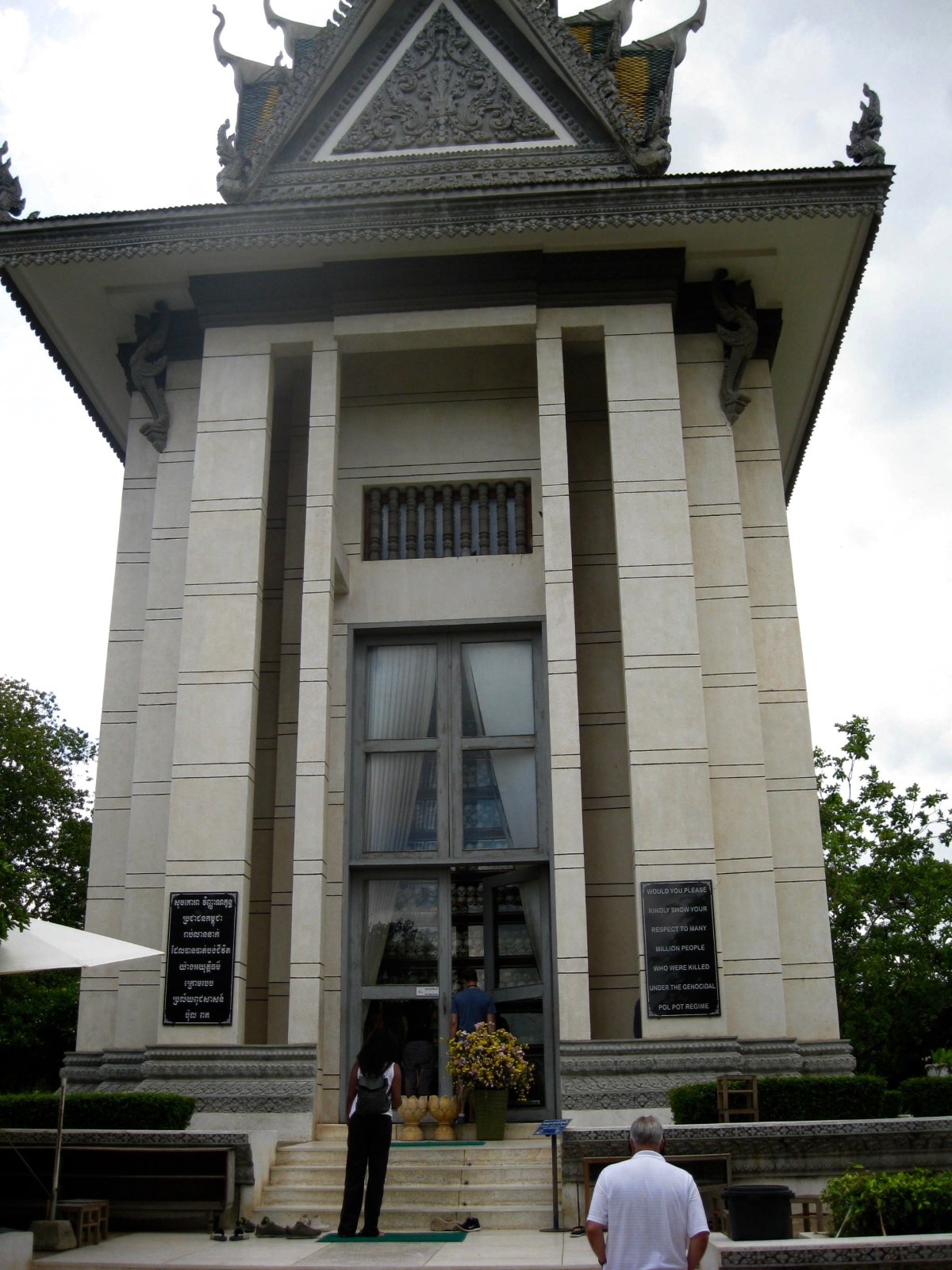
 n can bring. It is too often taken for granted in the US.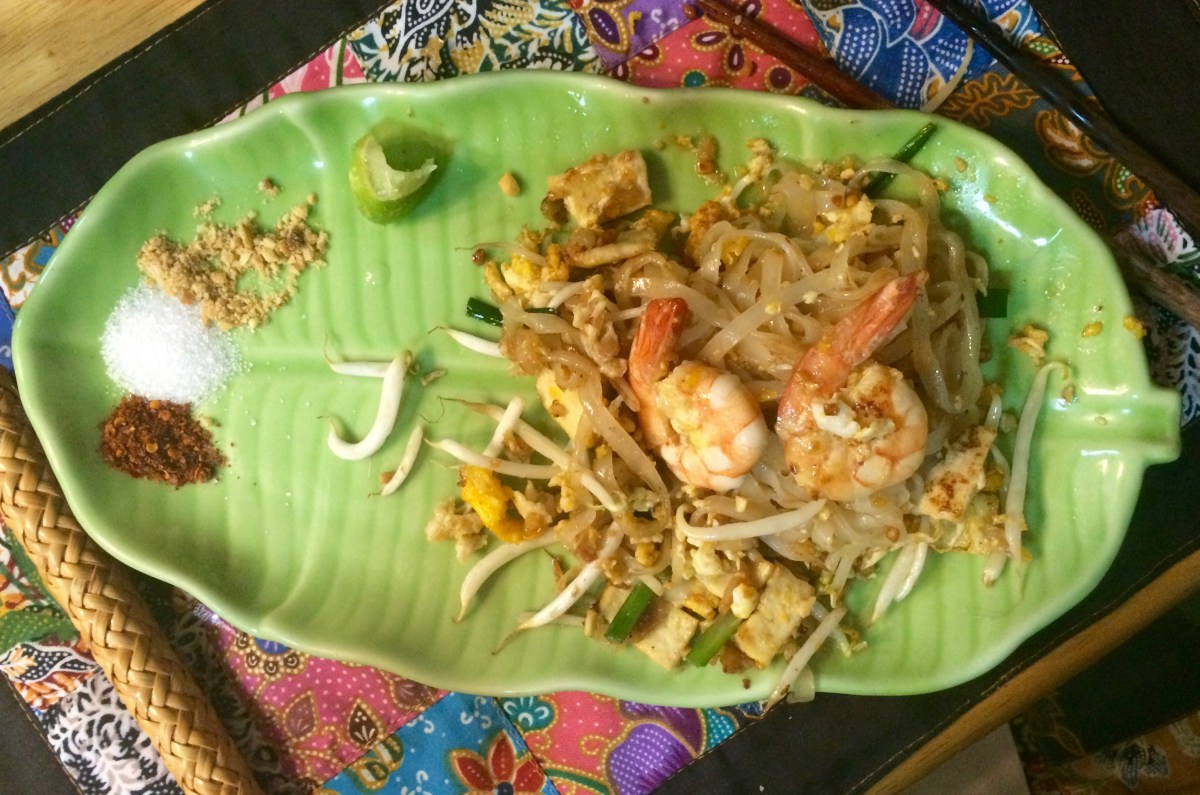




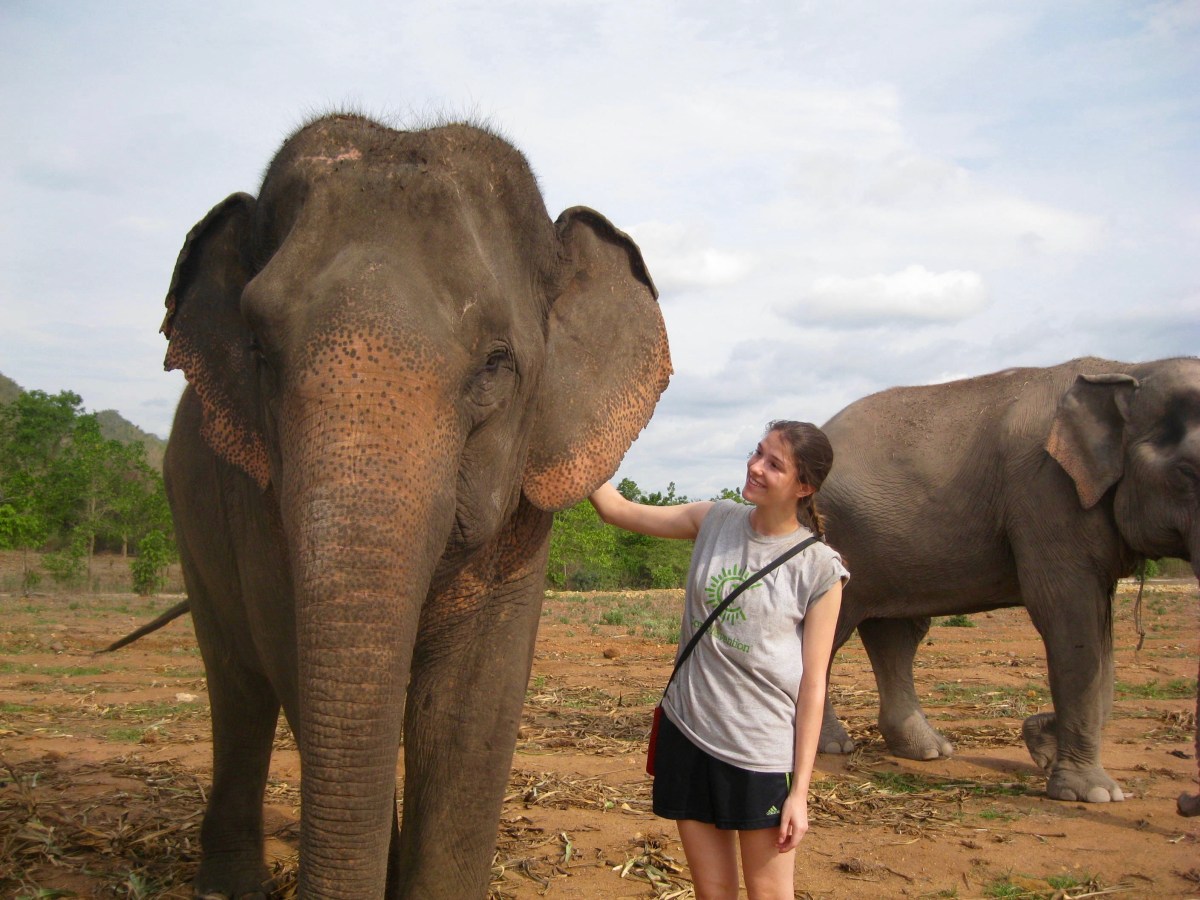


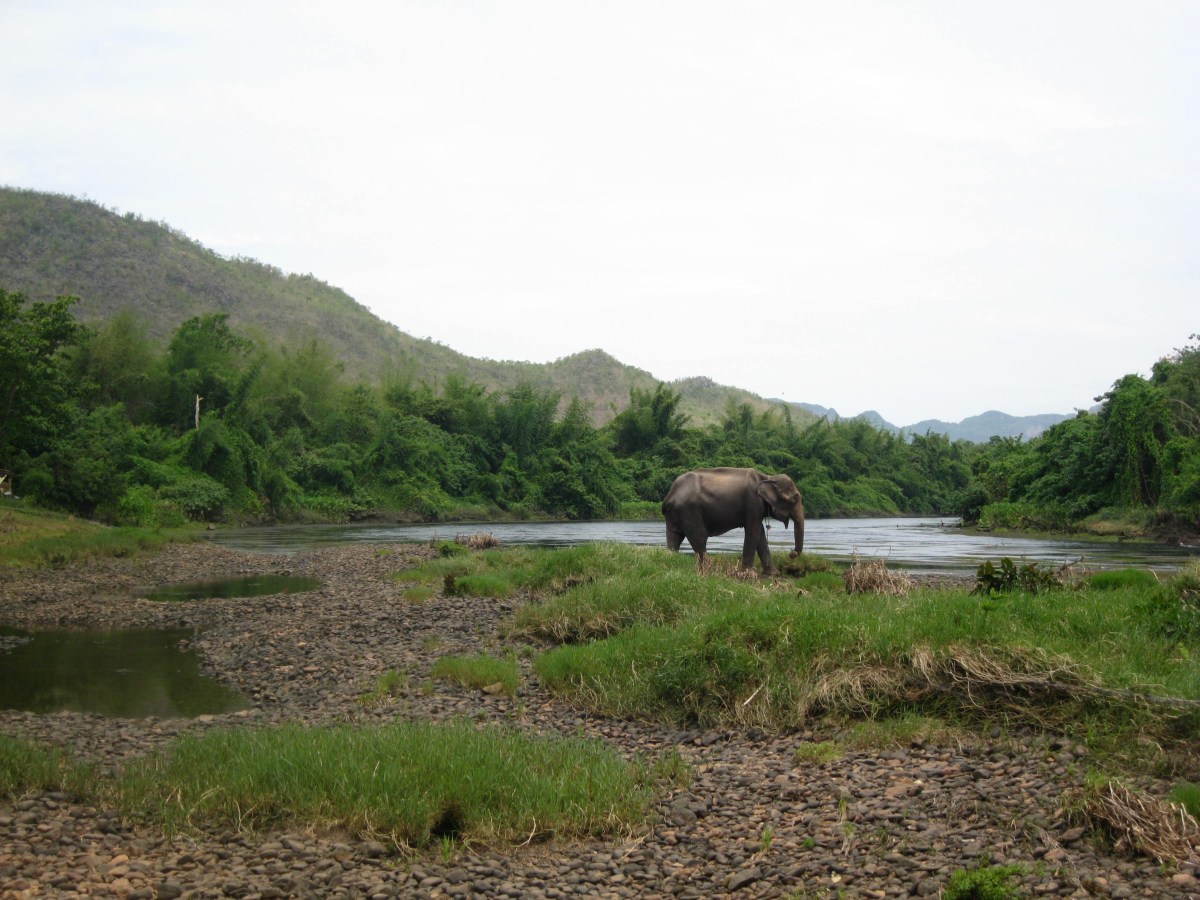


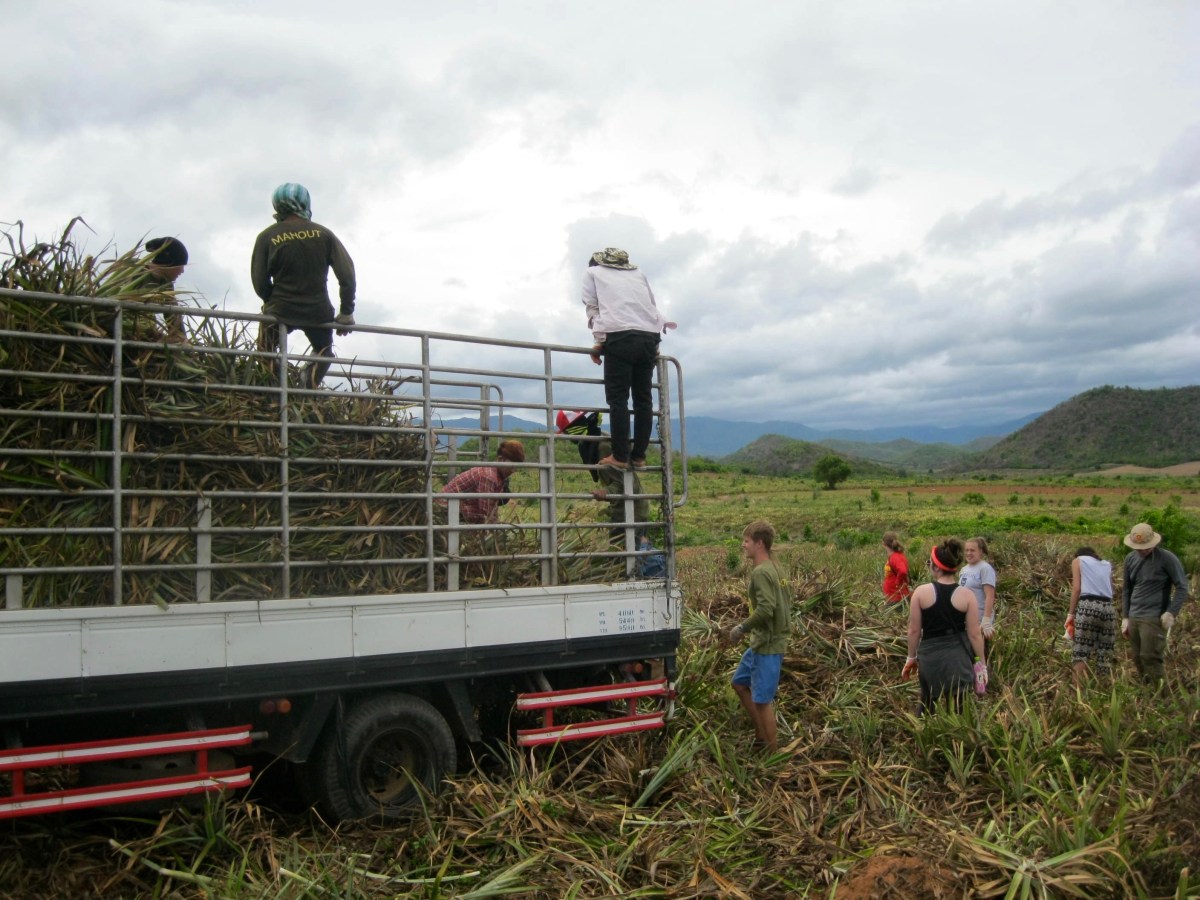
 pineapple farm. Once there, we realized that subtle suggestions we had received about wearing long pants and shirts should have been taken very seriously—the plants were spiky! Those clever elephants beat them against their legs until they’re soft enough to eat. Thankfully, we had gloves, which made pulling up the plants doable. We made plenty of big piles in the field before taking a break for lunch.
 Our lunch break was one moment that really highlighted the difference between our American work attitudes and the more laid back, Southeast Asian perspective. After we ate our packed lunches, we all expected to get right back to work. Instead, the mahouts (elephant caretakers) took naps and listened to music. Some of our group members followed suit!
 While it was counterintuitive at first, I found that taking a longer, more refreshing break helped me feel more energized an efficient when we did return to pineapple picking. Although I still felt somewhat sick from travel and jetlag, I found the day of hard work to be contemplative and fulfilling. Learning to pace myself was just as valuable as working hard in the field!