Categories
Antitrust Innovation Patent Licensing

Jonathan Barnett on the “License as Tax” Fallacy and the Real-World Benefits of Licensing

The following post comes from David Ward, a rising 2L at Scalia Law and a Research Assistant at CPIP.

the dictionary entry for the word "innovate"By David Ward

“Casual metaphors can have dangerous consequences.” CPIP Senior Fellow for Innovation Policy Jonathan Barnett’s new paper, The ‘License as Tax’ Fallacy, seeks to undo what he considers to be a dangerous, casual metaphor, namely, that intellectual property is a “state-granted monopoly” and therefore licensing is a “monopolistic tax” on consumers. Instead, Prof. Barnett explains that licensing is a tool that creates value for consumers and producers alike.

Historical Roller Coaster

This “IP = monopoly” metaphor has seen a bit of a jurisprudential roller coaster over the past century. Its origin is tied to monopoly-busting antitrust cases, as one might expect, starting around the end of the New Deal era of the late 1930s. Many of the battles were over the practice of “tying” patented products to other products in bundles. For those unaware, in antitrust, “tying” is essentially an arrangement that requires the buyer of one product to buy something else as well, and this often can be viewed as anticompetitive. These patent-tying cases led to the Supreme Court making a hard-and-fast rule in the 1962 case United States v. Loews. The Loews case effectively outlawed tying arrangements in patent licenses as anticompetitive, without having to prove any actual anticompetitive consequences.

This pivotal case cemented a metaphorical assumption that intellectual property is a state-granted monopoly. Further evolution of this mindset led to an effective halt of many licensing transaction options that were once available to sellers in the IP market. Prof. Barnett points out that this ended up harming consumers rather than protecting them. Sellers wishing to license their intellectual property, but restrict how it was used, would often not sell rather than risk getting hit with an antitrust lawsuit under the not-so-IP-friendly antitrust rules in the courts. And those that did license charged higher prices since they could not enforce value-saving restrictions.

The roller coaster didn’t stop there, though, as the late 1970s Supreme Court moved away from the stifling hard-and-fast rules in two new decisions, U.S. Steel and Sylvania. Instead of assuming that many IP license provisions (such as tying) were anticompetitive on their face, the Court began requiring proof that the provision in question was actually anticompetitive—just as in nearly every other antitrust case. This more license-friendly trend toward requiring proof of anticompetitive IP practices culminated in the 1995 U.S. Department of Justice Antitrust Guidelines for Licensing of Intellectual Property, which concluded that antitrust challenges to licensing transactions have to provide evidence of harm to the market. The bright line licensing rules of the past were effectively gone.

Recent Years: The Lexmark Case

But the coaster did not stop there either, as the mid-2000s and recent years have seen a resurgence of more hard-and-fast IP licensing rules. A great example of the resurgence of these rules is the 2017 case Impression Products v. Lexmark International, which involved the oft-dreaded purchasing of printer ink cartridges. Lexmark sold two types of ink cartridges: expensive ones that users could refill, and cheap ones that users were not allowed to refill. The cheap cartridges included a licensing provision that did not allow users to refill the cartridge in exchange for the lower cost. Impression Products, however, bought the empty, cheap cartridges from third party resellers, refilled them, and sold them for a profit, despite being aware of this license provision that prohibited refilling them.

Impression Products leaned on what is called the “patent exhaustion doctrine” to win the case. This doctrine can end a patent owner’s right to control a product once it has been sold, much in the same way that used bookstores don’t have to get a copyright license to sell a used book. However, the Court overturned a long-standing, fact-specific rule that required examining the market impact of such provisions in patent reseller cases. Instead, it adopted a hard-line rule that does not allow patent owners to enforce their licensing provisions on products that have already been sold, without any analysis on the market impact.

This illustrative example of a return to the hard-and-fast rules of the past is exactly what Prof. Barnett warns against. In the instance of printer ink cartridges, companies now provide fewer options at a higher price since they can’t enforce a provision that allows them to offer a lower-value, lower-cost alternative. But the anticompetitive implications of the Lexmark decision can have far-reaching effects on intellectual property as a whole; hard-line rules that prohibit the enforcement of licensing provisions without any analysis of the impact on the market creates less choice and higher cost for consumers. This, of course, is exactly the opposite of the aim of the antitrust laws.

The Need for Evidence

It’s important to note that Prof. Barnett acknowledges that intellectual property can cause anticompetitive practices that harm consumers. But he contends that there needs to be evidence showing that specific intellectual property licenses have anti-consumer implications, as there is in most other antitrust cases. The theoretical fear of intellectual property licensing clogging up markets with exorbitant rates (the “licensing tax”), if it has any merit, should be backed up by evidence.

A great case study for this issue comes from the smartphone market. In the smartphone industry, there are countless “standards” for wireless signals and products, such as 4G, that are required for our many devices to interact in a uniform manner. The inventors of these standards have what are called “standard essential patents,” or SEPs. There is a great fear that these patents, being quite literally essential to smartphone manufacturers, will allow their owners to exploit markets and charge anticompetitive pricing.

The great mystery is that, despite this, there isn’t evidence that this hypothetical scenario exists. Prof. Barnett examines three decades of market performance in this industry and shows that SEP licensing royalties account for a modest three to five percent of global handset revenues. This is in stark contrast to the hypothetical models that anticipated double-digit royalty percentages because of the “IP licensing tax.”

Prof. Barnett attributes this disconnect to several factors, but most importantly he points to the fact that regulators, legislatures, and judges should be focusing on real-world impacts from actual evidence and data when contemplating new rules and regulations.

The Real-World Benefits of Licensing

Although some assume that licensing will create anticompetitive environments, there is ample evidence to show that licensing enables competition and diverse markets. Prof. Barnett uses several real-life models to demonstrate this point.

The first model is the “Hub-and-Spoke” structure, where several smaller intellectual property owners license their IP to large companies with commercial power and reach. The best example of this is in the movie business, where outside production companies license their works to large studios. Each party specializes in something different, and a mutually beneficial relationship occurs. If IP licensing agreements cannot be enforced, such as in Impression Products, then content production would consolidate vertically to larger in-house organizations as firms look to protect their creative property. Essentially, not allowing licensing enforcement in this setting actually consolidates the market, rather than diversifying it.

The second model is the reverse of this, where large, usually research-based, firms license their innovations to many different commercialized entities. A prime example of this is Qualcomm, which licenses its wireless communications technology to many smartphone device manufacturers. Rather than hoard their technologies, these firms want to use licensing mechanisms to reach as many users as possible; more users equal more royalties, so there is an incentive to license to many manufacturers at affordable rates. This creates a positive feedback for more R&D and innovation, rather than an “IP = monopoly” hypothetical scenario where innovators gouge licensees.

The third model involves hybrid pooling and anti-licenses. Patent pools and other aggregate entities like music performing rights organizations create ecosystems of mutual benefit to help navigate dense “thickets” of intellectual property. For instance, rather than needing to get a license for every song played at a music venue, the venue can simply get one “blanket license” from a performing rights organization that licenses thousands of songs from the organization’s musicians at once. And somewhat more surprising is the complete lack of licenses at all. Many IT companies give away licenses for free to build a consumer base of users as an early adoption strategy. Contrary to the license-as-tax view, there is no necessary basis to even assume licenses are always used or even the best option for an owner.

Licenses Aren’t Taxes

The theoretical boogeyman of IP licensing creating monopolistic “taxes” has not held up to the intense scrutiny of the evidence, Prof. Barnett concludes. Any restrictions of IP licensing should be based in evidence and not be a knee-jerk reaction to hypothetical scenarios that have not come to pass, such as in the smartphone industry. There is far more evidence to show that licensing creates value for the market than there is evidence to show it “taxes” the market. And thus, this dangerous, common metaphor of “IP = monopoly” should be put to rest.
Categories
Copyright

CPIP’s Sandra Aistars Joins Artomatic Panel on Copyright Protection for Visual Artists

The following post comes from Liz Velander, a recent graduate of Scalia Law and a Research Assistant at CPIP.

the word "copyright" written on a typewriterBy Liz Velander

As part of its ongoing series about the copyright licensing process, Artomatic hosted a virtual panel for visual artists last week to discuss how to protect their creative works. The panel focused on explaining key concepts of copyright law pertinent to visual artists and sharing resources that they can use to learn more about the basics of copyright protection. It also touched on common pitfalls among visual artists when it comes to protecting their creative works, including those that befall joint authors, and common misconceptions about fair use.

The panelists included CPIP Director of Copyright Research and Policy Sandra Aistars and Jaylen Johnson, Attorney Advisor at the U.S. Copyright Office, and it was moderated by Kim Tignor, Executive Director at the Institute for Intellectual Property & Social Justice.

Prof. Aistars explained that there are three important things visual artists should know about copyright law. First, the requirements for copyright protection. Copyright law protects original works of authorship that are fixed in a tangible medium. An “original” work means that it was created independently and not copied from somebody else. Prof. Aistars noted that “this doesn’t mean the work has to be absolutely novel—if you have two artists who independently create something that is substantially similar, without copying from each other, both of those works are protected by copyright.”

Prof. Aistars also clarified the distinction between ideas and expression, noting that copyright law only protects the expression of ideas, not the ideas themselves. Visual artists cannot “copyright the idea of painting a field of sunflowers,” but they can protect “the precise rendering of that work, the nuances of brushstroke, the layering of the paint on the canvas” because those are all elements of expression. A work must also be fixed in a tangible medium of expression, Prof. Aistars continued, which could include paper, canvas, or a digital medium. If a work meets all these elements, it is protected by copyright and the visual artist obtains a variety of exclusive rights that allow her to make a living from her creative pursuits.

The second important thing to know about copyright law, according to Prof. Aistars, is that copyright protection is automatic. A visual artist does not need to register a work with the Copyright Office to receive protection. Instead, copyright protection exists from the moment the artist sets a work down in a tangible medium of expression. However, Prof. Aistars noted that it is a good practice for visual artists to register their works with the Copyright Office. Registration gives copyright owners additional benefits and makes it easier for people to find the copyright owner to license her works.

Finally, Prof. Aistars explained that it is important to understand that a visual artist retains the copyright in a work when she sells a copy of it, even if it is the only copy she has ever created. Selling a copy does not transfer the underlying rights the artist enjoys as a copyright owner. Prof. Aistars pointed out that “you’re not transferring the rights to make copies of the work, print them up on t-shirts and postcards, and sell them on the internet to whoever buys the copy of your work—unless you enter into a separate agreement with that person.”

Ms. Johnson noted that the Copyright Office is an excellent resource for visual artists who want to learn more about copyright protection. As the primary agency in charge of administering copyright law, the Office advises Congress, facilitates rulemaking, assists in litigation efforts, serves on international delegations, and administers the nation’s registration and recordation system. In celebration of its 150th anniversary, the Office recently launched a new initiative called Engage Your Creativity that pulls together a variety of resources for creators. Ms. Johnson stated that the initiative is a great way to become familiar with the many resources available to the public through the Office’s website.

The panelists also identified common pitfalls visual artists encounter during the creative process. Many occur because artists are not sure what qualifies as fair use of a copyrighted work. Prof. Aistars explained that “fair use exists so artists can build and comment on existing works in their own work, and in so doing add to our cultural dialogue and engage with one another in artistic conversations.” She advised artists to treat fair use as the Golden Rule: “Think about the way you would feel if someone uses your work the way you’re proposing to use someone else’s work, and then be very honest.”

The courts have four factors that they evaluate together to determine whether a use is fair or not. Codified in Section 107 of the Copyright Act, the four factors are: (1) the purpose and character of the use, including whether such use is commercial or educational; (2) the nature of the copyrighted work; (3) the amount and substantiality of the portion used in relation to the copyrighted work as a whole; and (4) the effect of the use upon the potential market for or value of the copyrighted work. However, since these factors are neither dispositive nor exhaustive, courts typically explore fair use claims in an open-ended, case-by-case manner. This is an area where artists run into trouble, Prof. Aistars explained, because “there are no bright lines. There’s not a set rule that you can use this much, but no more. Artists are trying to make the best decisions they can, and sometimes that isn’t the decision the court would’ve made.”

The panelists noted that another common pitfall arises with jointly created works. Under the Copyright Act, the authors of a joint work are co-owners of the copyright in a work. Each author can do whatever she wants with the work, as long as she accounts to the other. This is a problem when a collaborative relationship goes south, or if one author wants to use the work in a way that the other author disagrees with. Prof. Aistars advised visual artists to put an agreement in writing prior to starting a collaborative relationship.

Copyright law may seem like daunting subject to visual artists, but it can be easily understood with the right information. In closing, Ms. Johnson emphasized the importance of making resources accessible and engaging in public outreach because “copyright is for everybody.”

Categories
Copyright

Senate IP Subcommittee Hearing Addresses Intersection of DMCA and Fair Use

The following post comes from Yumi Oda, an LLM Candidate at Scalia Law and a Research Assistant at CPIP.

U.S. Capitol buildingBy Yumi Oda

As part of its year-long review of the Digital Millennium Copyright Act (DMCA), the Senate Subcommittee on Intellectual Property tackled yet another contentious issue in our copyright system—fair use. A virtual online hearing, held on July 28 and entitled How Does the DMCA Contemplate Limitations and Exceptions Like Fair Use?, focused on the role of fair use for digital platforms. Calling fair use “a bit of a touchy subject,” Chairman Thom Tillis (R-NC) specifically requested the witnesses’ input on how the original DMCA envisioned fair use and how the reform bill should address it. Ranking Member Chris Coons (D-DE) likewise emphasized the importance of striking a balance to “safeguard free speech and fair use, while also combating digital piracy and ensuring creators are fairly compensated.”

The panelists included: Sherwin Siy, Lead Public Policy Manager of Wikimedia Foundation; Mickey H. Osterreicher, General Counsel of National Press Photographers Association; Jane C. Ginsburg, Morton L. Janklow Professor of Literary and Artistic Property Law at Columbia University School of Law; Christopher Mohr, Vice President for Intellectual Property and General Counsel of Software and Information Industry Association (SIIA); Rick Beato, Songwriter, Producer, Engineer, and Educator; Yolanda Adams, GRAMMY Award-winning artist and Recording Academy Trustee; Joseph C. Gratz, Partner of Durie Tangri LLP; Matthew Sanderson, Co-lead, Political Law Group of Caplin & Drysdale; and Jacqueline Charlesworth, Partner of Alter, Kendrick & Baron LLP. These panelists represented industry and scholarly experts, as well as creators, users, and intermediaries of copyrighted works.

As a limitation to the exclusive rights in creative works, fair use is intended to simultaneously promote free speech and foster authorship and creativity. Taking a hint from case law, Congress codified Section 107 of the Copyright Act, enumerating four factors to be considered in a fair use analysis, namely: (1) the purpose and character of the use, including whether such use is commercial or educational; (2) the nature of the copyrighted work; (3) the amount and substantiality of the portion used in relation to the copyrighted work as a whole; and (4) the effect of the use upon the potential market for or value of the copyrighted work. However, since these factors are neither dispositive nor exhaustive, courts typically explore fair use claims in an open-ended, case-by-case manner.

On the first panel, Mr. Siy, representing the host of Wikipedia and Wikimedia Commons, testified that his Foundation heavily relies on fair use and the DMCA’s safe harbor provisions. Mr. Siy asserted that his Foundation receives approximately 30 DMCA takedown notices annually as risk-averse volunteers remove seemingly infringing content according to its volunteer-created standards, which are stricter than what the law requires. Of those notices, Mr. Siy explained, two-thirds are usually found to be noninfringing uses, such as fair use, thus demonstrating the ease of attacking harmless fair uses under the DMCA.

On the other hand, Mr. Osterreicher, representing visual journalists, pleaded with the Subcommittee to change the current lop-sided, whack-a-mole situation, which places an “insurmountable” burden on photographers, but “little to no responsibility” on online service providers (OSPs) for online infringement. As he pointed out, “the more amorphous the fair use interpretation the better” for OSPs to draw more visitors and advertisers. He argued that copyright infringement, sometimes disguised as fair use, reduces economic incentives, discourages participation in visual journalism, and “devalues photography as both a news medium and art form.”

Next, Prof. Ginsburg explained how Sections 512 and 1201 accommodate copyright limitations and exceptions. She noted that Section 512 has not worked as intended, largely due to the vastly higher number of postings than Congress originally anticipated. Conversely, the seemingly low number of counternotices, she continued, could suggest that “many fair uses are being suppressed,” “the vast majority of postings are in fact infringing,” or “fear or ignorance [are causing] some fair users to decline to send a counternotification.” As a potential solution to the timely counternotification procedure, Prof. Ginsburg proposed an alternative dispute resolution (ADR) mechanism. Moreover, she explained that “by design, [Section] 1201 does not provide a general fair use defense,” and that the triennial rulemakings to identify exempted classes of works have been largely effective.

Mr. Mohr, representing the software industry, provided the last testimony on this panel. He stated that Sections 512 and 1201 have been successful mainly because Congress left fair use out of both. Rather, he considered fair use as “a built-in safety valve” to preclude overly broad assertions of rights.

Senators Tillis and Coons then raised a series of specific questions. In response to a question regarding the extent to which OSPs should consider fair use, Prof. Ginsburg testified that OSPs have no duty to consider fair use and that they can remain mere conduits as long as they comply with the DMCA safe harbor provisions. Moreover, in response to a question regarding the misunderstanding surrounding fair use and newsworthiness, Mr. Osterreicher answered that there is a common misconception that newsworthy materials can be used more freely, which in turn deprives visual journalists of licensing opportunities due to the time-sensitive nature of such materials. Furthermore, in response to a question regarding the recent evolution of fair use, Prof. Ginsburg testified that broader fair use claims wrongly recognized in lower courts have been corrected by the higher courts, thereby demonstrating that courts are better equipped to analyze the inherently malleable fair use doctrine.

Lastly, each panelist was asked to specify which area of the DMCA Congress should look at in drafting a reform bill. Mr. Siy simply called for a holistic review. Mr. Osterreicher recommended clarifying the red flag knowledge standard for OSPs, and he pledged to continue advocating for the ADR system and the currently blocked Copyright Alternative in Small-Claims Enforcement (CASE) Act. Neither Prof. Ginsburg nor Mr. Mohr advocated for a legislative change, but Prof. Ginsburg did recommend that Congress closely monitor the development of the European Union’s approach to see if requiring OSPs to filter and block infringing content could reach a better balance.

On the second panel, witnesses testified how fair use has been applied in practice in their specific areas, many touching on the hot subject of political misappropriation. First to testify was Mr. Beato, a musician and popular YouTube music instructor who uses excerpts from famous songs in his videos. He explained that he never sought fair use claims in response to DMCA notices because it would be a waste of time and money, although he believed a good case could be made considering the new educational role YouTube has been playing. Although he himself successfully stood up against DMCA notices by a major label thanks to his large viewership, he warned that “frivolous” DMCA notices can be used to harass small content creators. Ultimately, he proposed a “Fair Use Registry,” similar to Twitter’s blue check mark, to certify and notate a good actor and to whitelist his or her use.

Another musician’s input came from Ms. Adams, a renowned gospel singer and songwriter who is also known as the “First Lady of Modern Gospel.” She maintained that “if someone’s claim of fair use reduces the artists’ ability to earn a living, it should be treated as infringement, plain and simple.” In addition to this monetization aspect of fair use, Ms. Adams also focused on its moral aspect, stating that “fair use can be very unfair to the artist if it takes our control away.” Reiterating the importance of the long-standing radio performance right issue, Ms. Adams concluded that seeking “permission” is the key when it comes to working with musicians, including use in political campaigns.

In contrast, Mr. Gratz, representing internet intermediaries, defended free speech and fair use, stating “nobody likes to be criticized or have their music used in ways they can’t control, but . . . even more so where the copyright holder does not like the use, fair use is needed to make sure that free expression can thrive even in the presence of copyrighted material.” Additionally, he made the following three points: (1) Section 512 has provided no practical remedy to the serious DMCA abuse; (2) automated filtering including any “staydown” systems should not be mandated; and (3) the current “reasonableness” standard for terminating repeat infringers is the right standard.

Similarly, Mr. Sanderson, who consults election and advocacy organizations, explained that political campaigns receive increasingly more takedown notices from artists who do not wish to be associated with the campaigns’ messages, even when the uses are permitted under performance rights organizations’ blanket licenses.

Finally, Ms. Charlesworth, an attorney representing songwriters and artists, reminded the Subcommittee that “creators, too, [as well as politicians,] are intended beneficiaries of the First Amendment.” She noted that creators’ messages can be appropriated and altered in political campaigns in ways that alienate fans and cause economic damages. Particularly, she argued that a fair use claim in a political campaign should also be analyzed under the regular four-factor test, with the emphasis on the first factor’s focus on whether the use is “transformative.” On this point, she explained that simply attaching a song to a political campaign video would not amount to a “transformative” use. Citing her clients’ experience, Ms. Charlesworth argued that “the current system imposes unjust burdens on creators and small copyright owners . . . without adequate tools or resources at hand when a political ad containing their song suddenly appears” online.

The second panel did not receive as many questions as the first one because the hearing was cut short by a live vote, but Senator Tillis concluded the hearing by thanking each panelist and acknowledging that some issues probably can be addressed without any legislative fix, while others may require congressional action.

Categories
CPIP Roundup

CPIP Roundup – July 31, 2020


Greetings from CPIP Executive Director Sean O’Connor

Sean O'Connor

I hope summer is seeing you healthy and safe. Over four months have passed since the Washington, D.C., area began to feel the impact of COVID-19. Now, as summer progresses and we start anticipating and planning for fall, we’re looking to navigate the new normal in the classroom, workplace, and of course in the virtual space.

In June, CPIP hosted the WIPO-CPIP Summer School on Intellectual Property for the third year running. Usually the program is held at Antonin Scalia Law School in Arlington, Virginia, and both U.S. and international attendees gather to study and network for two weeks in June. This year, however, we opted to move the entire program online, streaming it via Webex. Nearly one hundred attendees from all over the world were able to attend live virtual lectures and panels by a great lineup of experts, both in IP and related fields. We’re grateful to the CPIP staff, our IT support at Scalia Law, and to all our speakers and students for helping make this year’s Summer School successful and memorable in many ways.

As part of the Summer School, CPIP co-hosted a public panel, Patents on Life: Diamond v. Chakrabarty at 40, with the Smithsonian Institution’s Lemelson Center on June 17. We’re grateful to all the speakers who lent their expertise to this interesting and timely discussion, and most especially Dr. Ananda Chakrabarty, the inventor at the heart of the Diamond v. Chakrabarty case. Sadly, less than a month after the panel, we received the news that Dr. Chakrabarty had passed away. Our deepest condolences go out to his family and friends as we also remember his personal and professional legacy.

COVID-19 has complicated plans for many upcoming events, including ours. While we had hoped to hold our much-anticipated The Evolving Music Ecosystem conference in person by moving it from this past spring until the fall, best guidance now dictates that we move it online. We still look forward to a stellar event running from September 9-11, including a keynote address from Rosanne Cash. We will also move our Annual Fall Conference on October 8 to a fully online format. This year’s theme will focus on the IP issues surrounding the rollout of 5G wireless technology. Thank you for your patience as we pursue dual priorities: continuing to support the dialogue surrounding IP and keeping everyone involved safe and well.

I would like to congratulate and welcome Dr. Hina Mehta, Director of Mason’s Office of Technology Transfer, as an Affiliate Scholar with CPIP. Dr. Mehta has taught during the WIPO-CPIP Summer School these past two years, and we’re happy to have her join us and work with us on a more official basis.

I also want to thank those IP scholars who signed our May response to the Office of Science and Technology Policy’s call for comments on the possible effects of free, public access to scholarly research.

On a personal note, I have become a regular contributor to The Hill with a mix of IP and other opinion topics based on my broader historical research. Articles to date include: Avoiding Another Great Depression Through a Developmentally Layered Reopening of the Economy, Cancel Culture, Copyright, and the Harper’s Letter, and How We Finally Tip Into “Bread and Circuses’ Authoritarianism.

In May, I participated as a panelist for the COVID-19 CHHS Webinar Series with Mason’s College of Health and Human Services in the episode Weighing the Decision to Safely ‘Reopen’ Northern Virginia; the episode was also noted by DCist and Fairfax County Economic Development Authority. COVID-19 has not completely taken over all events and conversations, though. I spoke in April at a virtual session on copyright and social justice hosted by the University of Akron School of Law’s Intellectual Property & Technology Law Association, and in June at the NVTC Impact AI Conference on the panel Protecting AI Inventions: Current Issues and Best Practices.

I’d like to thank Akron’s Professor Camilla Hrdy for providing her comments on my paper Distinguishing Different Kinds of Property in Patents and Copyright, which was also shared on the Private Law Theory blog.

In conclusion, the past few months have been full and productive, and I look forward to seeing CPIP and our friends and supporters successfully navigate the remainder of 2020. I wish you the best over the coming months as we hope and cooperate to put COVID-19 behind us. Until then, we continue to be in this together.


Online Music Law Conference with Rosanne Cash on September 9-11

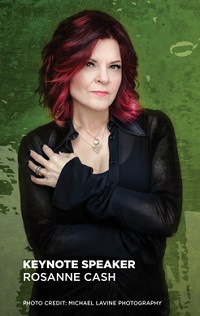
Rosanne Cash

We are excited to announce that the music law conference, The Evolving Music Ecosystem, which will be held online from Antonin Scalia Law School in Arlington, Virginia, has now been extended to a three-day event on September 9-11, 2020. The keynote address will be given by Rosanne Cash, and it features panel presentations from leading experts.

This unique conference continues a dialogue on the music ecosystem begun by CPIP Executive Director Sean O’Connor while at the University of Washington School of Law in Seattle. In its inaugural year in the D.C. area, the conference aims to bring together musicians, music fans, lawyers, artist advocates, business leaders, government policymakers, and anyone interested in supporting thriving music ecosystems in the U.S. and beyond.

For more information, and to register, please click here.


“Patents on Life” Panel Discussion Video Now Available

the U.S. Capitol

On June 17, 2020, CPIP and the Smithsonian Institution’s Lemelson Center for the Study of Invention and Innovation co-hosted a virtual panel discussion entitled Patents on Life: Diamond v. Chakrabarty at 40. CPIP Executive Director Sean O’Connor delivered closing remarks after a panel presentation that included the late inventor and distinguished professor of microbiology and immunology Dr. Ananda Chakrabarty.

The panelists discussed the 1980 Supreme Court ruling in Diamond v. Chakrabarty that authorized the first patent on an intentionally genetically modified organism and that contributed to the rise of the modern biotechnology industry and reshaped the agriculture industry. Video from the panel discussion is available here, and our blog post summarizing it is available here.


Spotlight on Scholarship

a pair of glasses, an apple, and a stack of books

Christopher M. Holman, Congress Should Decline Ill-Advised Legislative Proposals Aimed at Evergreening of Pharmaceutical Patent Protection, 51 U. Pac. L. Rev. 493 (2020)

Many believe that drug prices in the U.S. are unnecessarily high because the pharmaceutical industry is exploiting legal loopholes and acquiring dubious patents to extend protection and delay generics from entering the market (so-called “evergreening” behavior by drug innovators). However, CPIP Senior Scholar Chris Holman of the University of Missouri-Kansas City School of Law has published a new paper arguing that these recent concerns regarding patents and drug prices are unfounded. The paper, entitled Congress Should Decline Ill-Advised Legislative Proposals Aimed at Evergreening of Pharmaceutical Patent Protection and published in the University of the Pacific Law Review, further challenges recent legislative proposals aimed at pharmaceutical evergreening, finding that they “are largely misguided, and, if enacted, would be likely to cause more harm than good by discouraging innovation in pharmaceuticals without effectively addressing the core concern.” Our blog post summarizing the paper is available here.

Michael S. Greve, Exceptional, After All and After Oil States: Judicial Review and the Patent System, 26 B.U. J. Sci. & Tech. L. 1 (2020)

What if there is a way for a patent applicant to obtain a “gold-plated patent” that is immune to administrative cancellation before the Patent Trial and Appeal Board (PTAB) at the U.S. Patent and Trademark Office (PTO)? This intriguing notion is the subject of a recent paper by Professor Mike Greve of Scalia Law, titled Exceptional, After All and After Oil States: Judicial Review and the Patent System and published in the Winter 2020 edition of the Boston University Journal of Science and Technology Law. Prof. Greve presented an early draft of this paper at the “Perspectives on the PTAB: The New Role of the Administrative State in the Innovation Economy” conference that was co-hosted by CPIP and the Gray Center at Scalia Law. Our blog post summarizing the paper is available here.


Activities, News, & Events

a lit lightbulb hanging next to unlit bulbs

CPIP Executive Director Sean O’Connor continues to lead the law school’s new Innovation Law Clinic. The Clinic teams law students (IP, corporate, tax) to analyze and counsel entrepreneurs, creators, and inventors from the University’s internal and external communities. The course teaches students about entrepreneurship and commercializing innovation and creativity, as well as how to craft an overall legal strategy in the context of a client’s business, technology, and/or artistic vision. A core deliverable is the Innovator’s Roadmap, which provides a comprehensive, client eyes-only analysis of the venture and legal issues it needs to address in the near and mid-term. Anticipated projects include hydrogen fuel cell refilling technology venture; edutainment and fundraising franchise system for community building; emerging fashion designer; online platform for fictional world-building authors; and an innovative medical device venture spinning out of the University. Specific legal services to be delivered can include entity formation; securing or licensing IP; drafting employment agreements; and advice on tax filings.

CPIP Director of Copyright Research & Policy Sandra Aistars will lead the law school’s Arts & Entertainment Advocacy Clinic again this fall. The Clinic teaches students the legal and policy skills required for engaging with Congress, agencies, and courts on behalf of copyright owners. Students will develop substantive legal knowledge in copyright and related areas of law as well as practical skills in research, writing, and advocacy by counseling clients and preparing legal and policy documents. Anticipated projects this fall include identifying ownership and clearing rights for illustration created in the 1960s, conducting an online legal clinic for members of Washington Area Lawyers for the Arts (WALA), contract drafting and strategic planning for a musician-owned music licensing service, and continued collaboration and special projects for the U.S. Copyright Office.

CPIP has published a new policy brief by CPIP Senior Fellow for Innovation Policy Jonathan Barnett entitled The Long Shadow of the Blackberry Shutdown That Wasn’t. The policy brief looks at how the Blackberry litigation and the “patent troll” narrative ultimately contributed to the Supreme Court’s 2006 decision in eBay v. MercExchange that limited the availability of injunctive relief for successful patentees. Prof. Barnett then examines the problematic legacy of the post-eBay case law, which significantly shifted the legal infrastructure supporting the U.S. innovation markets. In particular, he explains how this shift has led to opportunistic infringement that favors downstream incumbents with the resources to fund extensive litigation at the expense of upstream innovators—a dynamic that is exemplified in the recent litigation between Sonos and Google.


Categories
Innovation Patent Law

New CPIP Policy Brief: The Long Shadow of the Blackberry Shutdown That Wasn’t

CPIP logoCPIP has published a new policy brief by CPIP Senior Fellow for Innovation Policy Jonathan Barnett entitled The Long Shadow of the Blackberry Shutdown That Wasn’t. The policy brief looks at how the Blackberry litigation and the “patent troll” narrative ultimately contributed to the Supreme Court’s 2006 decision in eBay v. MercExchange that limited the availability of injunctive relief for successful patentees.

Professor Barnett then examines the problematic legacy of the post-eBay case law, which significantly shifted the legal infrastructure supporting the U.S. innovation markets. In particular, he explains how this shift has led to opportunistic infringement that favors downstream incumbents with the resources to fund extensive litigation at the expense of upstream innovators—a dynamic that is exemplified in the recent litigation between Sonos and Google.

The introduction is copied below:

Introduction

In early 2006, there was widespread public interest in a seemingly arcane patent infringement litigation brought by a small IP licensing entity, NTP, Inc., against Research in Motion (or “RIM”), the maker of the then-ubiquitous Blackberry mobile communications device. The reason: NTP alleged that the Blackberry device and service infringed upon its patents relating to wireless email communications. In the district court litigation, NTP had secured a judgment of willful patent infringement against RIM, entitling NTP to treble damages, attorneys’ fees, and a permanent injunction (stayed pending appeal) that placed at risk the continued operation of the Blackberry service.

Given NTP’s success at the district court, and uncertainty surrounding RIM’s ability to design a non-infringing alternative, there seemed to be a material risk that the appeals court would sustain the lower court’s rulings and, most importantly, the injunction order. Faced with this predicament, RIM settled all claims with NTP in March 2006 for the impressive sum of $612.5 million.

In this contribution, I revisit the almost 15-year-old Blackberry litigation and its connection with both the Supreme Court’s 2006 decision in eBay, Inc. v. MercExchange LLC, which limited patent owners’ ability to secure injunctions, and ongoing infringement litigation (commenced in January 2020) involving Google and Sonos, a leading innovator and supplier of wireless audio systems. While the eBay decision may have deterred certain opportunistic uses of patent infringement litigation, there are growing indications that it has had a significant adverse effect on the innovation ecosystem.

As illustrated by the Google/Sonos litigation, eBay and post-eBay case law has enabled incumbents that maintain key technology platforms and distribution pathways to infringe upon patent-protected technologies held by others at relatively modest legal and business risk. The increasing normalization of patent infringement as a rational business strategy endangers the property-rights infrastructure behind important segments of the U.S. innovation economy.

To read the policy brief, please click here.

Categories
Legislation Patent Law

New Paper Looks at “Ill-Advised Legislative Proposals” to Address Pharmaceutical “Evergreening”

The following post comes from Yumi Oda, an LLM Candidate at Scalia Law and a Research Assistant at CPIP.

dictionary entry for the word "innovate"By Yumi Oda

Many believe that drug prices in the U.S. are unnecessarily high because the pharmaceutical industry is exploiting legal loopholes and acquiring dubious patents to extend protection and delay generics from entering the market (so-called “evergreening” behavior by drug innovators). However, CPIP Senior Scholar Chris Holman of the University of Missouri-Kansas City School of Law has published a new paper arguing that these recent concerns regarding patents and drug prices are unfounded. The paper, entitled Congress Should Decline Ill-Advised Legislative Proposals Aimed at Evergreening of Pharmaceutical Patent Protection and published in the University of the Pacific Law Review, further challenges recent legislative proposals aimed at pharmaceutical evergreening, finding that they “are largely misguided, and, if enacted, would be likely to cause more harm than good by discouraging innovation in pharmaceuticals without effectively addressing the core concern.”

Concepts and Doctrines in the Evergreening Debate

Prof. Holman starts by reviewing the academic literature and other commentaries relevant to the current evergreening debate. He divides his discussion into five concepts and doctrines that have come under scrutiny as purportedly facilitating evergreening: product hopping, product thicketing, secondary patents (or follow-on patents), double patenting, and continuation practice.

1. Product Hopping. Prof. Holman explains that the pejorative term “product hopping” is aimed at “pharmaceutical companies’ efforts to develop follow-on products and to switch patients to these products from an earlier version of the drug.” Critics, who now acknowledge “the fact that literal evergreening generally does not occur,” have shifted the argument to blame product hopping for forcing a market shift by making only a small change to an existing patented drug, such as with a new form, formulation, or dosage, and convincing doctors to prescribe it. Of course, while no patent directed to an earlier composition or biologic is permissible, a new patent on a new formulation, manufacturing process, or use of a previous drug is allowed in our patent system. While some may attack these new patents as a type of evergreening, Prof. Holman points out that these are the very types of innovations the patent system is meant to encourage.

2. Patent Thicketing. Prof. Holman describes another pejorative term, “patent thickets,” which refers to pharmaceutical “companies obtaining multiple patents covering a single pharmaceutical product.” Popularized in the early 2000s and dating back to the term “patent anticommons” that was coined in the late 1990s, patent thickets originally raised concerns that when “too many patents” around the same product are held by different owners, transactional licensing costs could increase substantially. Prof. Holman points to a recent review of patent thicket literature demonstrating that the term is not used coherently. In fact, patent thickets today are sometimes claimed to exist even when the patents are held by the same owner, where potential transaction cost issues would not apply.

3. Secondary or Follow-On Patents. So-called “secondary patents” are those that claim something other than the active ingredients in drugs, such as new formulations or dosages. Prof. Holman dislikes the term “secondary patents” since it suggests they are somehow less meritorious and less worthy of patent protection, and he instead chooses to call them “follow-on patents” since they generally follow the invention of the active ingredient. Critics often target follow-on patents based on the belief that “a drug is a single product and thus should only be subject to the protection of a single patent.” However, Prof. Holman explains that this view oversimplifies how pharmaceutical inventions come about and underappreciates their true value for patients. For example, his earlier article illustrates how Burroughs-Wellcome obtained a follow-on patent for AZT, a failed cancer drug that was ultimately used to treat AIDS.

4. Double Patenting. Some critics complain that pharmaceutical companies are engaged in “double patenting,” where they obtain multiple patents on the same invention or obvious variations of a patented invention. Prof. Holman explains that double patenting rejections—especially nonstatutory, “obviousness-type” rejections—prevent a patent applicant from extending the patent term by filing a second patent “on a non-identical but still merely obvious variant of a patented invention.” Nevertheless, some critics argue that companies are avoiding such rejections by “dressing up part” of their original invention “as a new one,” and they claim that prohibitions on double patenting should be strengthened. Prof. Holman notes that these arguments typically focus particularly on pharmaceutical products, and they fail to consider the effect such changes would have on inventions more generally.

5. Continuation Practice. Prof. Holman explains that some commentators argue that pharmaceutical companies are using continuation practice to engage in evergreening. Continuations entitle patent applications to benefit from the filing date of an earlier-filed patent application, and the patent applicant can amend claims or even add new ones so long as they are supported by the parent application. Some critics claim that this practice allows pharmaceutical companies to “obtain multiple patents covering obvious variants of the same drug” and to extend effective patent terms. However, Prof. Holman notes that these concerns have already been successfully addressed by Congress in statutory amendments.

Proposed Legislation Aimed at the Pharmaceutical Industry

Having identified and summarized the concepts and doctrines that arise in the evergreening debate, Prof. Holman then analyzes three proposed bills from 2019 that are specifically designed to rein in evergreening in the pharmaceutical industry: the Affordable Prescriptions for Patients Act of 2019, the No Combination Drug Patents Act, and the Terminating the Extension of Rights Misappropriated Act of 2019.

1. Affordable Prescriptions for Patients Act of 2019. The Affordable Prescriptions for Patients Act of 2019 attempts to tackle product hopping and patent thicketing. To combat product hopping, the bill would make it a prima facie antitrust violation for a drug manufacturer to (1) discontinue or withdraw the “reference drug’s” application (or announce discontinuance of or withdrawal of the application) once it receives notice of an application to market a generic version or (2) market or sell a follow-on product during a period of time referred to as the “competition window.” A drug manufacturer can rebut the presumption by showing that the drug was discontinued or withdrawn from the market for “significant and documented safety reasons.”

The bill would also make pharmaceutical patent thicketing a prima facie antitrust violation. The bill broadly defines “patent thicketing” as covering any action by a patentee to limit competition for an approved drug when certain conditions are met. A drug manufacturer can rebut the presumption by establishing that the pro-competitive effects of the action are not outweighed by its anti-competitive effects, which in turn can be rebutted by the FTC demonstrating that the harm to consumers outweighs the benefit from the action.

Prof. Holman warns that the effect of this bill “would be to discourage pharmaceutical innovators from improving existing products,” instead of encouraging further innovation and research to improve the first version of a drug. Prof. Holman cites testimony by Prof. David Olson before the Senate Judiciary Committee stating that, despite the common misconception that a large number of patents delays innovation, “there is no conclusive evidence that smartphone or other high-tech innovation is being retarded by the large numbers of patents that may cover these devices.” Prof. Olson explains that this is also true for pharmaceutical patents, where the number of patents covering one specific drug is relatively low—not enough “to constitute a substantial thicket that will deter innovation.”

2. No Combination Drug Patents Act. The No Combination Drug Patents Act would change the nonobviousness standard under Section 103 for follow-on pharmaceutical innovations. If enacted, it would create a presumption that any “covered claimed invention” is obvious if it “contains or uses a drug or biological product that is prior art” and differs from the prior art under one or more of four enumerated criteria. An applicant may rebut this presumption by showing that the invention is either a new treatment for a new indication or that it leads to a statistically significant increase in the drug’s efficacy.

Prof. Holman points out that the proposed “rule of construction” exempting certain claimed inventions “could largely eviscerate the bill’s effect,” depending on how it is interpreted. He presents three possible interpretations, two of which could be easily overcome by filing a divisional application. Under the third possible interpretation, which seems like the one the bill’s drafters intended, Prof. Holman predicts that pharmaceutical companies would be forced to significantly change their current patent filing strategy, which affords some time to figure out and secure claims directed to inventions that were unknown when the parent application was filed, by starting to file many patent applications at the outset.

Stepping back for a moment, Prof. Holman explains that the proposal to raise the nonobviousness bar especially for follow-on pharmaceutical patents is not new. However, he questions such a proposition because the “assumption that many types of pharmaceutical inventions are inherently obvious and undeserving of patent protection” does not withstand scrutiny. Prof. Holman notes that numerous follow-on inventions have been upheld by the courts and recognized for the positive impact they have on people’s lives. (For a CPIP policy brief by Prof. Holman responding to such a proposal by the United Nations, please see here.)

3. Terminating the Extension of Rights Misappropriated Act of 2019. Finally, Prof. Holman discusses the Terminating the Extension of Rights Misappropriated Act of 2019, which is designed to prevent double patenting in drug patents by presuming that the patentee has “disclaimed the patent term for each of the listed patents after the date on which the term the first patent expires.” Prof. Holman explains that the bill neither alters the standard for determining obviousness-type double patenting, nor the remedy, but it does shift the burden of proof from the PTO to the patent applicant to prove that the listed patents are patently distinct from one another. The bill would also require the PTO to conduct a comprehensive review of its examination procedures.

Conclusion

Prof. Holman echoes Senator Thom Tillis’ concern that “by just focusing on patent protections, and the number of patent protections available to a single product, [Congress] may be doing more harm than good to our nation’s innovation economy.” And he notes that it “is important to bear in mind that the reason there has been such an uproar over the price of drugs is that these drugs provide huge benefits for society, far exceeding most other patentable innovation.” Prof. Holman mentions that these drugs would probably not have been available in the first place without proper incentives, and he worries that the legislation aimed at preventing the perceived problems with evergreening “could discourage the investment necessary to bring the next generation of pharmaceutical innovation to patients.”

Further, Prof. Holman criticizes the current evergreening debate for failing to target the supposed misuse of patents by going after the patents and not that misuse. For example, if the claim of product hopping were true and patients were being prescribed much more expensive drugs with no additional benefit, that would be an issue with the market, not with the patent system. Similarly, if drug companies were using anti-competitive means in the same scenario, that would be an antitrust violation, not a patent issue. As such, instead of the current legislative proposals targeting the patents themselves, Prof. Holman concludes that any legislation should focus on the alleged bad actions of pharmaceutical companies, not on changing the patent incentives for pharmaceuticals inventions overall.

Categories
Copyright

Copyright Office Questions Legality of Internet Archive’s National Emergency Library

the word "copyright" typed on a typewriterOn March 24, the Internet Archive (Archive) unveiled what it called the “National Emergency Library” (NEL) in order to “address our unprecedented global and immediate need for access to reading and research materials.” The announcement specified that Archive would suspend the waitlist for 1.4 million books in its unlicensed “lending library” until at least June 30, thus allowing an unlimited number of people to download electronic copies of the same book at the same time. Archive had previously employed a controlled digital lending (CDL) model where the number of downloads was tied to the number of physical copies Archive or its partners possessed. With the waitlist suspended, Archive temporarily abandoned the CDL model that it had relied on since 2011.
Archive’s release of 1.4 million copyrighted works without a license certainly caught people’s attention. The Authors Guild quickly condemned the move, claiming that Archive “has no rights whatsoever to these books, much less to give them away indiscriminately without consent of the publisher or author.” Maria Pallante, President and CEO of the Association of American Publishers, likewise denounced Archive’s announcement: “We are stunned by the Internet Archive’s aggressive, unlawful, and opportunistic attack on the rights of authors and publishers in the midst of the novel coronavirus pandemic.” Archive then responded in a blog post explaining that it had suspended its waitlist due to the “tremendous and historic outage” in the nation’s libraries caused by the pandemic and arguing that fair use is the “legal doctrine underlying” its CDL model “during normal times.”

A couple of weeks later, on April 16, Senator Tom Udall (D-NM) sent a letter to Acting Register of Copyrights Maria Strong asking the Office “to examine the National Emergency Library that has been organized by the Internet Archive which is operating without typical library licenses and is causing authors in New Mexico concern about the integrity of their copyrights.” In particular, Sen. Udall asked the Office to “include a legal analysis of the Internet Archive’s National Emergency Library” under Section 107 and to “recommend any corrective action that you deem necessary to comply with copyright law and protect authors.”

On May 15, Acting Register Strong submitted a detailed response to Sen. Udall, noting that “it is not the Office’s general practice to provide legal advice about specific factual scenarios” and that the “Office is particularly cautious about weighing in on circumstances or disputes between private parties.” Nevertheless, the Office provided a general analysis of how copyright law applies to libraries and then looked at how that analysis applies to “the Internet Archive’s recent activities.” Notably, the Office ultimately concluded that it “would have been beneficial for the Internet Archive to engage with writers and publishers prior to launching the National Emergency Library to discuss the contemplated parameters for the project and determine their willingness to participate.”

On June 1, a couple of weeks after the Office submitted its response to Sen. Udall, four major publishers, including Hachette, HarperCollins, Penguin Random House, and Wiley, filed suit against Archive for copyright infringement in the Southern District of New York. The complaint, which includes 127 works-in-suit, alleges that Archive’s CDL and NEL models infringe on their works, both directly and indirectly. This blog post does not address that dispute, though the publishers do raise many of the same issues in their complaint that the Office raised in its response to Sen. Udall. This blog post merely summarizes the Office’s reasoning on the fair use analysis of Archive’s National Emergency Library. It is worth noting that, even though Archive announced on June 10 that it was shutting down its NEL, the legality of the NEL is still a live issue in the publishers’ lawsuit.

Fair Use Under Section 107

Looking at the first fair use factor under Section 107 generally, the Copyright Office notes that while the “goals of promoting scholarship and education are explicitly identified in the statute as favored purposes,” it “is generally understood that many uses of copyrighted works by schools and universities must be licensed.” Citing Oracle v. Google and Authors Guild v. HathiTrust, the Office points out that “reproducing the text of physical books in digital format is not transformative unless the change in format results in new uses for the work.” Moreover, it explains that using educational materials for educational purposes “would not serve a different purpose than the original.”

Turning to the NEL specifically, the Office takes issue with Archive’s claim that “the vast majority” of the books it makes available “do not have a commercially available ebook” that would be publicly available given that libraries are closed. On the contrary, the Office states that “Archive does not appear to have verified if any of the works in its collection were available to the public in digital formats prior to including those books in its collection or removing its waiting lists” and that the NEL “includes many books for which ebooks are available commercially” at local libraries. Thus, the argument that Archive was making available works that were otherwise unavailable “does not apply to any books that were available in digital formats at the time of the copying.”

The Office notes that the NEL is available to the public for free such that Archive’s use is noncommercial. However, it emphasizes that Archive’s stated purpose of promoting scholarship and education “alone does not establish fair use.” Indeed, the Office points out that “at least some” of the 1.4 million works, such as “Stephen King thrillers and joke books,” are “likely to be accessed for entertainment rather than educational purposes.” Even for the educational books that are not available in digital formats, the Office explains that the noncommercial purpose must be weighed against “the non-transformative nature of the use.” Given that educational works are “originally intended to educate,” Archive’s use of these works “is not transformative.” And given that Archive does not provide “search functionality,” it does not fit within the “digitization cases” that were “deemed transformative,” such as Google Books and HathiTrust.

On the second factor, the Office cites Campbell v. Acuff-Rose for the proposition that “some works are closer to the core of intended copyright protection than others” and Harper & Row v. Nation for the point that the “law generally recognizes a greater need to disseminate factual works than works of fiction or fantasy.” The Office also notes that there may be “more justification” for reproducing previously published works that are “currently unavailable in the marketplace.” Nevertheless, it explains that the existence of organizations to provide copies of such works is relevant to this factor, and it mentions that the case law on a “work’s print status under the second factor is mixed.”

Applying this to the NEL, the Office clarifies that the analysis of the second factor is necessarily “fact-specific” and that each work or category of works “would need to be evaluated independently.” For example, “creative works” would be analyzed differently than “factual or informational works.” And while the unavailability of certain works might favor fair use “in some circumstances,” the Office notes that this does not appear to have been Archive’s focus. Archive instead focused on whether the books were available in digital form, making no “mention of the works’ overall availability.”

The key to the third factor, the Office explains, is “whether the secondary use employs more of the copyrighted work than is necessary, and whether the copying was excessive in relation to any valid purposes asserted under the first factor.” Moreover, while “copying an entire work often weighs against a finding of fair use,” the factor “would not weigh against a finding of fair use” if “it were necessary to copy the entire copyrighted work to achieve the purpose of the secondary use.”

The Office notes that the CDL White Paper, upon which Archive relies, “argues that it is necessary to copy the entire book to achieve the purpose of providing digital access to the work, such that the copying is not excessive in relation to the library’s purpose.” The CDL White Paper also argues that “the library prevents users from making additional copies of or further distributing the book and limits the duration for which a user can access a book.” In response, the Office points out that the courts in Google Books and HathiTrust “emphasized that the defendants had not made the full text of the copied works visible to the public” and how the Office itself (see here, here, and here) has “consistently expressed doubt that providing digital access to complete works can be considered a fair use.”

Quoting Harper & Row, the Office notes that the fourth factor, which is “undoubtedly the single most important element of fair use,” turns on “whether widespread conduct similar to the conduct of the alleged infringer ‘would adversely affect the potential market for the copyrighted work.’” The Office explains that, under Google Books and HathiTrust, the third and fourth factors are linked: “the risk that the digitized version will serve as a market substitute for the original work increases as the amount of the work that is made accessible to the public increases.” In both of those cases, the copying of entire works was permissible because it enabled transformative search functionality without serving as a market substitute by making the entire works available.

Turning to the NEL, the Office acknowledges a “disagreement among stakeholders over whether the analysis of market harm under the fourth fair use factor should consider the Internet Archive’s activities as roughly analogous to physical lending by libraries, or whether the markets for physical lending and ebook licensing to libraries are distinct.” The Office points out that no court has embraced the former approach and that “the Second Circuit squarely rejected it” in Capitol Records v. ReDigi. Moreover, the Office cites its own report noting that there are “significant differences” between lending physical copies and digital ones. And it points out that the NEL “lacks the controls cited by the CDL White Paper as necessary to mitigating market harm” since it allows “an unlimited number of users to borrow any given title simultaneously.”

On the latter approach, which holds that the market for ebook licensing is distinct from that of physical lending, the Office states that there is already “an established market” where “publishers and authors license their works to libraries for the purpose of digitally ‘lending’ them to patrons.” The fourth factor analysis here “might focus on whether the creation and distribution of digital versions of these works would affect this market, and also how, if such conduct became widespread, it would affect this market.” If digital versions of some works were not available in the marketplace, the Office concludes, “this factor might favor fair use for some, but not necessarily all, of the works contained in the National Emergency Library.”

The Office also examines how “exigent circumstances” related to the pandemic may factor into a fair use analysis. The Office notes that there “is undoubtedly a strong public interest in ensuring continued access to educational materials in this unprecedented time, which could weigh in favor of fair use.” However, while Archive’s goal “may be laudable, so is respect for copyright.” The Office states that it “would be imprudent to excuse widespread copying due to a national emergency without considering the possible repercussions on copyright law and copyright owners” since there “is also a strong public interest in ensuring that authors are able to financially survive the coronavirus crisis to be able to continue to produce creative works.” And it concludes by noting that a “court would almost certainly also take into account” Archive’s effect “on writers and publishers.”

Conclusion

The Copyright Office ultimately suggests that Archive may wish to “explore opportunities for collaboration with writers and publishers” such as by “allowing them to opt into making digital versions of their works publicly available.” While the Office never explicitly says that any particular work is being infringed, its analysis does indicate that, in its opinion, Archive cannot claim that it is engaging in fair use for all of the works made available with its National Emergency Library. Furthermore, the Office explains why other statutory limitations, such as the first sale doctrine under Section 109, would not apply to Archive’s activities. All in all, it seems clear that the Office is quite skeptical of the NEL’s legality under the fair use doctrine. Though, it remains to be seen whether the Southern District of New York will agree with the Office’s analysis.

Categories
Trademarks

Consumer Perception Wins the Day: A Case Overview of USPTO v. Booking.com

The following post comes from Ryan Reynolds, a rising 3L at Scalia Law and a Research Assistant at CPIP.

U.S. Supreme Court buildingBy Ryan Reynolds

Last week, the Supreme Court in USPTO v. Booking.com held that a combination of an otherwise generic term and a generic top-level domain (TLD) may be protected as a trademark so long as consumers perceive it as capable of distinguishing among the members of a class of goods or services and not as a reference to the class itself. The Court rejected the nearly per se rule applied by the United States Patent and Trademark Office (USPTO) that such combinations are necessarily generic.

The Background

Between 2011 and 2012, Booking.com filed four trademark registration applications for the “Booking.com” mark with the USPTO. The USPTO denied the registrations because it found that the mark was generic as applied to online hotel reservation services. On appeal, the Trademark Trial and Appeal Board (TTAB) affirmed the denial. The TTAB analyzed “Booking” and “.com” separately and found the mark generic.

The Lanham Act provides that a trademark is “any word, name, symbol, or device” used by a person in commerce “to identify and distinguish his or her goods . . . from those manufactured or sold by others and to indicate the source of the goods.” Five categories of marks are recognized under the Lanham Act that have varying levels of protection. Fanciful, arbitrary, and suggestive marks receive immediate protection. Descriptive marks only receive protection upon showing secondary meaning, that is, once consumers understand the mark to communicate a single source. Lastly, generic marks can never receive trademark protection. A generic mark does not help a consumer distinguish one good or service from another; it instead merely refers to the common name of the good or service itself. The restriction on generic marks is based on the concern that competitors should have free use of the terms necessary to identify their products or services to consumers.

Having lost at the TTAB, Booking.com then filed suit in the U.S. District Court for the Eastern District of Virginia. The district court applied the primary significance test, which states: “[T]he primary significance of the registered mark to the relevant public . . . shall be the test for determining whether the registered mark has become the generic name of goods or services in connection with which it has been used.” The district court held that “Booking.com” was a descriptive mark that had acquired secondary meaning, based on the perception of the mark by the relevant consuming public. On appeal, the U.S. Court of Appeals for the Fourth Circuit affirmed, finding that “Booking.com” was eligible for trademark protection. The USPTO then petitioned the Supreme Court for a writ of certiorari, which was granted.

The Arguments

The central issue was whether the Lanham Act had legislatively overruled the Supreme Court’s 132-year-old decision in Goodyear’s India Rubber Glove Mfg. Co. v. Goodyear Rubber Co. In Goodyear’s, the Court created a per se rule that the addition of an entity designator such as “company” to the end of an otherwise generic mark could not create a valid trademark. The Court reasoned that entity designators do not serve a source-identifying function, but instead only indicate that parties have formed an association to deal in goods or services.

The USPTO contended that, like entity designators, TLDs such as “.com” do not serve a source-identifying function as they only communicate a business’ online presence to the public. Therefore, it argued that Goodyear’s per se rule controlled the case as both lower courts had found “Booking” alone to be generic. It further argued that ruling for Booking.com would cause competitive harm by opening the door to the registration of countless generic marks. It stressed that this harm was heightened by the competitive advantages the internet already grants to Booking.com as the only party that can use its domain name. It argued that, due to these competitive advantages and the opportunity for Booking.com to pursue protection under unfair competition laws, “Booking.com” does not require trademark protection.

In contrast, Booking.com alleged that the Lanham Act had legislatively overruled Goodyear’s through its creation of the primary significance test. It argued that the primary significance test is the exclusive test for all marks to determine genericism, with the Lanham Act creating no special category for domain names as marks. Likewise, Booking.com maintained that the piecemeal analysis by the USPTO of “Booking” and “.com” separately went against the Lanham Act’s directive to assess the mark as a whole for purposes of registration.

Booking.com further contended that the primary significance test reinforces the aims of trademark law by helping consumers navigate the marketplace. By requiring marks to pass both the primary significance test and show secondary meaning in order to receive protection as a descriptive mark, non-source-identifying marks are eliminated. Booking.com also pointed out that the USPTO has inconsistently applied Goodyear’s per se rule by allowing marks similar to “Booking.com” to be registered, and this inconsistency has not caused harm to fair competition in the marketplace. It also warned that the USPTO’s per se rule would usher in a “mass extinction event” for hundreds of registered marks.

 The Ruling

In its opinion affirming the Fourth Circuit’s decision, the Supreme Court rejected the USPTO’s per se rule as to combination terms like “Booking.com.” The majority opinion, authored by Justice Ginsburg and joined by seven other justices, held: “Whether any given ‘generic.com’ term is generic, we hold, depends on whether consumers in fact perceive that term as the name of a class or, instead, as a term capable of distinguishing among members of the class.”

The majority stated that USPTO’s reliance on Goodyear’s was flawed since it would find terms ineligible for trademark protection even if consumers would understand them to signify source: “That bedrock principle of the Lanham Act is incompatible with an unyielding legal rule that entirely disregards consumer perception.” The majority reasoned that the Court’s decision in Goodyear’s stood only for the proposition that a “compound of generic elements is generic if the combination yields no additional meaning to consumers capable of distinguishing the goods or services.” Thus, the majority held that a consumer could understand “Booking.com” to refer to the source of the goods or services and not merely to describe the website itself.

Addressing the anticompetitive arguments raised by the USPTO, the majority noted that the concern of hindering competitors “attends any descriptive mark” and that the likelihood of confusion and fair use doctrines would “guard against the anticompetitive effects.” Further, the majority rejected the USPTO’s argument that unfair competition laws could provide an adequate remedy for Booking.com, stating that there is “no cause to deny Booking.com the same benefits Congress accorded other marks qualifying as nongeneric.” Lastly, the majority declined to “open the door to cancellation of scores of currently registered marks” due to the inconsistency of the USPTO’s own application of the per se rule for which it argued.

In her brief concurrence, Justice Sotomayor raised two observations. First, she noted her appreciation for the dissent’s skepticism of consumer-survey evidence as an “unreliable indicator of genericness.” Second, she observed that the USPTO may have properly “concluded based on such dictionary and usage evidence, that Booking.com is in fact generic” and that the district court may have erred in concluding otherwise—an issue that was not before the Supreme Court.

In his dissent, Justice Breyer argued in favor of the USPTO’s per se rule, stating that the Lanham Act had not repudiated Goodyear’s and that its “principle is sound as a matter of law and logic.” In addition to tracing many of the same arguments advanced by the USPTO in its briefs, Justice Breyer criticized the “fact-specific” approach established by the majority to determine genericism. He claimed that survey evidence is an unreliable metric of genericness and that there would be little to stop the registration of countless generic marks. Justice Breyer argued that this influx of “generic.com” marks would open the door to potentially serious anticompetitive consequences, and he contended that the Court’s decision may lead to costly litigation that will “no doubt chill others from using variants on the registered mark and privilege established firms over new entrants to the market.”

While the ultimate consequences are not yet known, this decision clearly marks the strong resolution of the Supreme Court that, where genericism is concerned, consumer perception is key.

Categories
Biotech Patents

(Patented) Life Begins at Forty: CPIP Celebrates the Ongoing Legacy of Diamond v. Chakrabarty

The following post comes from Colin Kreutzer, a rising 2E at Scalia Law and a Research Assistant at CPIP.

gloved hand assembling or dissembling a model of DNABy Colin Kreutzer

It’s been forty years since the Supreme Court ruled in favor of patentability for a GE scientist and the oil-eating bacterium he’d created, greatly expanding the scope of living matter that was eligible to be patented. Previously, patents on living things were limited to botanical inventions such as novel plant varieties, but the Court in Diamond v. Chakrabarty opened the door to genetically modified living matter. Writing for the majority, Chief Justice Burger held that because the bacteria were human-made and did not exist in nature, they fell under both the “manufacture” and “composition of matter” categories of invention per 35 U.S.C. § 101. The promise of IP protection for engineered microbial life gave a secure path to returns on investments, and it opened the floodgates to R&D in everything from life-saving drugs and cancer-screening tests, to Flavr Savr tomatoes and crop yields that promised to keep pace with a growing human population. The impact of this decision on biotech and related industries cannot be overstated.

But the legacy of Chakrabarty is still going strong. On Wednesday, June 17, CPIP and the Smithsonian’s Lemelson Center for the Study of Invention and Innovation jointly hosted a panel of experts to discuss the landmark ruling. Moderated by Lemelson Director Arthur Daemmrich and with closing remarks by CPIP Executive Director Sean O’Connor, the panel featured: Dan Charles, science writer, National Public Radio food and agriculture correspondent; Daniel Kevles, Stanley Woodward Professor Emeritus of History, History of Medicine & American Studies, Yale University; Jennie Schmidt, farmer, registered dietitian nutritionist, and blogger at The Foodie Farmer; and the inventor, Dr. Ananda Chakrabarty, now a distinguished professor of microbiology and immunology at the University of Illinois College of Medicine. The panel reflected on how the ruling in Chakrabarty has affected intellectual property and the biotech industry, and some of the issues that leave room for improvement. See the full video here.

History

In the early 1970s, Dr. Chakrabarty was working with several strains of naturally occurring Pseudomonas bacteria, known for their potential in cleaning oil spills. Each strain was able to break down one of the various hydrocarbon types found within crude oil. In theory, combining them could break down all the major components of an oil spill and convert them into benign materials, such as food for aquatic life. But there was a problem: simply mixing different bacterial strains did not achieve a complete oil consumption profile. Some strains would dominate the mixture because every strain thrived under slightly different environmental conditions, and much of the oil would be untouched.

Dr. Chakrabarty determined that the key elements in each bacterium were sets of extra DNA called plasmids. Each bacterial strain had different plasmids that would break down different hydrocarbons. He used a UV radiation technique to transfer plasmids from one strain to another until he had a single bacterial strain with a preferred set of plasmids. This unified strain could consume a wide hydrocarbon profile without developing a plasmid imbalance. The end product was distinct from any naturally occurring bacterium, and GE filed a patent application for the invention on June 7, 1972.

The USPTO examiner allowed some of the patent claims: namely, a method of producing the bacteria; along with, an inoculum having the bacteria as one component. But claims directed solely to the bacterium were rejected on the grounds that 35 U.S.C. § 101 does not allow pure living matter to be patented. Protections for plants, while alive, are granted under different statutes: the 1930 Plant Patent Act deals with asexually-reproduced novel plants, and the 1970 Plant Variety Protection Act grants similar rights on other selectively bred species. Following affirmation at the BPAI and a reversal at the Court of Customs and Patent Appeals, the Supreme Court granted certiorari. It heard the case on March 17, 1980, and issued an opinion on June 16, 1980.

Chief Justice Burger took issue with the Patent Office’s arguments that Congress, in drafting § 101, never gave express authorization to patent living things, and he didn’t see the plant exceptions as evidence that it never intended to. He countered that Congress had deliberately created a very expansive scope in § 101, and the Court was obliged to interpret it that way. The language was as clear as it was broad, and if the judiciary were going too far in its interpretation, the legislature would be free to correct the mistake. Further arguments, directed to the existential perils of genetic engineering, were met with similar skepticism.

Ultimately, the Chief Justice settled the argument in rather simple terms: that § 101 broadly covers a process, machine, manufacture, composition of matter, or collectively, “anything under the sun that is made by man.” Since Dr. Chakrabarty’s work fell within those boundaries, the subject matter was patent eligible­—living or not.

Microbial Research

Dr. Chakrabarty and Daniel Kevles kicked off the discussion with a review of the scientific and legal history of the case. There was broad agreement among panelists that for microbial research, medicine, and the pharmaceutical industry, the ruling was a game-changer. Forty years ago, USPTO officials weren’t the only ones who believed that microbial lifeforms couldn’t be patented. Prof. Kevles, recounting a prior conversation with Dr. Chakrabarty, wondered if GE’s “patent everything” attitude and relative lack of biotech experience made it more willing to even attempt such a thing in an industry where many assumed it wasn’t allowed. Prof. Kevles also pointed to the precedential effect on contemporary developments, such as Stanford’s Cohen-Boyer recombinant DNA patents, which weren’t granted until after the Chakrabarty decision. And while the nation used the ruling to fuel an emerging industry, Dr. Chakrabarty (then a university professor) expanded his Pseudomonas research into treatments of cystic fibrosis and cancer cells.

Agriculture

Discussions of the state of agriculture were more mixed. Jennie Schmidt began with a big thanks for including a farmer’s voice on the panel. She spoke about several advancements that genetic engineering has brought to agriculture, and how they factored into her family business’ comprehensive farming approach, which include conventional and organic farming along with biotech. The adoption of biotech seeds has spread far more rapidly than the previous technological leap of hybridization in the 1920s and 1930s, and she deemed it essential to the survival of family farms in modern America. Biotech seeds are more resistant to herbicides, allow for the use of softer chemicals, and are better suited to no-till practices. Tillage, Ms. Schmidt noted, was a major cause of erosion and loss of sediment, phosphorus, and other nutrients to the nearby Chesapeake Bay. She also mentioned engineered products such as Bt-corn, which can reduce the need for pesticides that kill far more species than they target.

Dan Charles expressed concerns about the number of useable innovations in agriculture, compared to what had been promised in exchange for the added intrusion of corporate control into farming. He questioned how transformative GMOs have truly been by boiling the developments down to two major traits—herbicide resistance and pest resistance—and noting that pests already appear to be overcoming the latter. National Academy of Sciences studies, he said, had failed to identify any major difference in the crop yield trends between the pre- and post-GMO eras (likely referencing this study; see for example the summary at p.14).

Prof. Kevles conceded that he’d rather see more developments focused on increasing the vitamin and nutrient content of crops, rather than on sheer yields. To date, the bulk of the technological benefits have gone to reducing costs rather than to increasing consumer health. But he tempered this observation by putting it into the greater context of all genetic applications and emphasized the unquestionable impact that the Chakrabarty decision had on technology as a whole.

Ms. Schmidt also acknowledged Mr. Charles’s concerns and felt that things might be very different if the first GMO breakthroughs had been consumer-facing, rather than farm-facing, developments. She noted that IP issues have affected traditional farming practices such as seed saving, but she added that proprietary issues span the range of farming technologies and are not limited to biotech. She also pointed out that IP isn’t the only reason that seed-saving is a threatened practice: hybrid seeds, a long-established technology, are generally unsuitable for saving regardless of whether farmers may legally do so. Her farm still practices seed-saving when possible.

Mr. Charles agreed that the proprietary issues extend beyond biotech, and indeed pose problems for researchers wishing to access to the latest generation of seed technology, even for scholarly purposes. Further, he noted that decreasing access has led to problems of international agricultural cooperation.

On the subject of international issues, Dr. Chakrabarty stressed the importance of IP to developing countries in bringing their products to the market. He has been active for many years in advancing both biotech and IP as a means for less-developed nations to build wealth.

The State of R&D, Post-Chakrabarty

Another avenue of the discussion centered on the state of R&D then and now, in terms of large corporate laboratories versus the multitude of start-ups we often see today. Prof. Kevles was quick to point out that there is still a lot of research coming from the big firms, not only in chemistry and biotech, but also in the worlds of information technology and others. As far as the emergence of start-ups was concerned, credit also went appropriately to the Bayh-Dole Act. This helped universities retain IP rights to inventions that came from federally funded research and stimulated further growth of university tech transfer offices. The Chakrabarty decision and Bayh-Dole are both credited as significant events in the strengthening of America’s IP system.

Closing

Prof. O’Connor concluded with an in-depth explanation of the legal and scientific theories that separated the Chakrabarty decision from plant patents. He also addressed some of the fears that arise when discussing property rights on genetically engineered lifeforms. He emphasized that patent laws don’t grant the right to make or use something, but rather the right to exclude others from making or using it. As such, patent law can easily be superseded by other laws, such as those barring indentured servitude or the ownership of “all or part” of a human being. A more common example came from pharmaceuticals—a patent on a new drug is no good if the FDA won’t approve it.

Dr. Chakrabarty knows these problems all too well. Attendees asked him why his invention, the subject of the landmark ruling, didn’t itself go to market. It seems that IP wasn’t the only legal hurdle standing in the way of commercialization. Regulators were fearful of what might happen to the natural order if genetically modified bacteria were introduced into the ocean. Without sufficient data to prove that, for example, the engineered traits wouldn’t be acquired by harmful pathogens, they were unwilling to let it go forward.

The panel closed with a virtual exhibit presented by Smithsonian curator Peter Liebhold. He took panelists and attendees on a walk through the history of agricultural and genetic research, using a series of photos and artifacts that would have been shown in-person if COVID-19 hadn’t moved the program online. Hopefully, the biotech world, buoyed by a strong IP framework, will soon develop vaccines and treatments that can get us all back to normal.

The Chakrabarty case is a prime example of the vital role IP protection plays in fostering innovation and growth. It also serves as a reminder of why Congress intentionally granted such an expansive scope in 35 U.S.C. § 101: because it knew it wouldn’t be possible to envision the technology of the future, and it declined to stand in the way of whatever strange new wonders awaited the human imagination. CPIP is thrilled to have shared the stage with the Lemelson Center and the distinguished panelists as we observed the 40th birthday of this landmark ruling, and we wish to give a special thanks to Dr. Chakrabarty for joining us.

Categories
Patent Law Patent Theory

New Paper Explores Possibility of Gold-Plated Patents Beyond the PTAB’s Reach

files labeled as "patents"What if there is a way for a patent applicant to obtain a “gold-plated patent” that is immune to administrative cancellation before the Patent Trial and Appeal Board (PTAB) at the U.S. Patent and Trademark Office (PTO)? This intriguing notion is the subject of a recent paper by Professor Michael S. Greve of Scalia Law, titled Exceptional, After All and After Oil States: Judicial Review and the Patent System and published in the Winter 2020 edition of the Boston University Journal of Science and Technology Law. Prof. Greve presented an early draft of this paper at the “Perspectives on the PTAB: The New Role of the Administrative State in the Innovation Economy” conference that was co-hosted by CPIP and the Gray Center at Scalia Law.

Examining the PTAB through his administrative law lens, Prof. Greve spots what he calls a “Sandy,” that is, a hypothetical, newly discovered relative of an ancient animal species that was thought to have gone extinct. This clever conceit with “Sandy,” which runs through the paper, refers to a Section 145 action to obtain a patent in the Eastern District of Virginia. This particular “Sandy,” Prof. Greve explains, “is unknown to, and greatly at variance with, contemporary administrative law, which operates on the principles of agency adjudication and deferential, on-the-record appellate review.” He argues that Article III prevents a patent obtained through a Section 145 action from subsequently being cancelled at the PTAB—in other words, “Sandy” gives a successful plaintiff a “gold-plated patent.”

To set the stage, Prof. Greve runs through the history of Section 145, placing it within the Patent Act’s current statutory scheme for reviewing validity determinations and the administrative state more broadly. A vestige of the Patent Act of 1836, Section 145 provides that an “applicant dissatisfied” with an appeal to the PTAB following an examiner’s rejection “may . . . have remedy by civil action” against the Director of the PTO. If the court adjudges “that such applicant is entitled to receive a patent for his inventions,” the “adjudication shall authorize the Director to issue” the patent. The alternative pathway for a “dissatisfied” applicant is an appeal directly to the Federal Circuit under Section 141.

The two provisions are markedly different. An applicant that chooses a Section 141 appeal to the Federal Circuit waives the right to proceed under Section 145 before the district court. Like agency adjudication generally, a Section 141 appeal is on the record—no new evidence may be introduced—and deference is given to the PTAB. The decision is then remanded to the PTO for further proceedings. Section 145 actions, by contrast, allow the introduction of new evidence, and the district court can adjudicate validity de novo—without deference to the PTAB. If the plaintiff is successful, the district court directs the PTO to issue the patent. According to Prof. Greve, the lack of deference to the PTO and the ability to introduce new evidence seems foreign—a mythical creature in the modern administrative state.

Turning to the case law, Prof. Greve looks at Dickinson v. Zurko, where the Supreme Court in 1999 held that the Federal Circuit must follow the Administrative Procedure Act (APA) framework when reviewing the PTO’s findings of fact in a Section 141 appeal. The Federal Circuit had applied the Federal Rules of Civil Procedure, which state that a reviewing court must not set aside a district court’s factual findings unless they are clearly erroneous. The Court held that the more deferential review standard of the APA should instead be applied to the PTO. As Prof. Greve explains, the Federal Circuit later extended the Court’s holding, thus directing district courts to apply a deferential standard of review to the PTO’s factual findings in a Section 145 action.

This push to impose the APA standard of review onto Section 145 was short lived. In 2012, the Supreme Court in Kappos v. Hyatt rejected the notion that background principles of administrative law dictate that Section 145 requires a district court to review the PTO’s factual findings deferentially. The Court also rejected the argument that plaintiffs in Section 145 actions should be permitted to introduce new evidence only if they did not have the opportunity to present it to the PTO. Thus, Section 145 plaintiffs may introduce new evidence subject only the ordinary rules of evidence and procedure, and the district court may review these new facts de novo. In other words, appeals under Section 141 are very different than direct actions under Section 145. As Prof. Greve remarks of Hyatt, “Welcome back, Sandy.”

In Oil States v. Greene’s Energy, the Supreme Court in 2018 laid to rest the argument that an inter partes review (IPR) before the PTAB violates Article III. Invoking the public rights doctrine, the Court characterized an IPR as the PTAB’s decision to reconsider the PTO’s earlier grant of a patent—not as a decision to annul a property interest that has already vested. This same sort of reasoning, Prof. Greve points out, has led to decisions that allow the PTAB to cancel patents that have been upheld in infringement actions before the federal courts. He argues that those decisions are inapplicable when it comes to a “gold-plated patent” under Section 145—an issue that surprisingly has not yet been litigated. Such patents, Prof. Greve asserts, cannot be revoked by the PTAB under Article III.

Prof. Greve explains that the validity of a patent cannot conclusively be established in an infringement action in the federal courts. Indeed, this explains why subsequent PTAB cancellations are constitutional. However, the same is not true for patents secured in a Section 145 action. Under Hyatt, Prof. Greve contends, a successful plaintiff is entitled to the patent “as a matter of right,” and the unsuccessful Director of the PTO, by contrast, is “duty-bound” to issue the patent. Unlike with infringement actions, the very point of a Section 145 action is to conclusively establish the patentability of the claims at issue. And this difference, Prof. Greve avers, is critical. Section 145 patents are issued “as the consequence of a conclusive, binding judgment of an Article III court,” and Supreme Court case law prevents final judgments of Article III courts from being “subject to executive revision.”

Prof. Greve explains:

If that reading of Hyatt is right, a patent issued pursuant to a § 145 proceeding cannot be subject to the AIA’s review and reexamination procedures. If § 145 patents issue as of right and neither require nor, in the ordinary course, permit further administrative proceedings, it follows a fortiori that the Director cannot then entertain or initiate an administrative review or reexamination proceeding that would divest the patentee of the benefits of a conclusive Article III judgment. . . . Once the initial patent grant pursuant to § 145 has become final, it has res judicata and estoppel effect in any court; and that preclusive effect cannot be circumvented by means of an administrative reversal and subsequent (deferential) appellate review. The short of it is that “§ 145 patents” are immune from administrative review and reexamination except under the most unusual circumstances.


If the issue of subsequent administrative cancellation of a Section 145 patent were to reach the Supreme Court, Prof. Greve believes that the Court will reaffirm the “gold-plated” nature of such a patent in light of Hyatt. He further suggests that if this is true, it seems likely that more applicants will choose the Section 145 route. As things are now, very few people choose this option. Indeed, presumably to discourage the filing of such actions, the PTO recently took the position that Section 145 plaintiffs must pay the pro-rated salaries of the government’s lawyers—a notion the Supreme Court rejected last year in Peter v. Nantkwest. Regardless, a Section 145 action before the district court and the inevitable appeal to the Federal Circuit are risky, expensive, and time-consuming. However, if this route really does produce a “gold-plated patent” that the PTAB cannot strike down, Prof. Greve predicts that “Sandy may yet shine a light into our stoned faces.”